NEWS
High Tacrolimus Swings Raise Graft-Loss Risk 2.13-Fold
A 11,647-patient review ties high tacrolimus IPV to a 2.13-fold graft-loss hazard, yet “high” still labels anywhere from 11% to 69% of recipients.

High tacrolimus variability after kidney transplant was linked to a 2.13-fold rise in death-censored graft loss among 11,647 adults. A 12 October 2026 systematic review of 10 cohort studies put the 95% confidence interval at 1.37 to 3.32. Rejection rose in parallel, with a hazard ratio of 2.05 (1.24 to 3.41).
The same papers still cannot say who is “high.” Reported prevalence of high within-patient variability ran from 11% to 69%, because metrics, cutoffs, and sampling windows did not match. That spread, not the headline hazard, is what blocks a clinic dashboard.
High Tacrolimus Swings Raise Graft-Loss Risk 2.13-Fold
Nephrologist Kittiphan Chienwichai of Hatyai Hospital in Songkhla, Thailand, led the pooling with Pannawat Mongkolrattanakul of Phanatnikhom Hospital and gastroenterologist Arunchai Chang. They searched MEDLINE, CENTRAL, Scopus, and Embase through October 2025 and ran a three-level random-effects model so multiple estimates from the same cohort would not be treated as independent. The accepted manuscript went up in Scientific Reports on 12 October 2026, after acceptance on 6 October.
Death-censored graft loss was the primary endpoint, meaning kidneys that failed while the patient was still alive. In a review of 11,647 adult recipients, high tacrolimus IPV lined up with more graft loss and more rejection. Point estimates stayed in the same direction across calculation methods, regions, and time windows, though those cuts were exploratory and imprecise.
POOLED HAZARD RATIOS IN THE 2026 REVIEW
| Outcome | Hazard ratio | 95% CI | I-squared |
|---|---|---|---|
| Death-censored graft loss | 2.13 | 1.37 to 3.32 | 69.3% |
| Rejection | 2.05 | 1.24 to 3.41 | 0.0% |
The rejection signal was tight. The graft-loss signal was not. An I-squared of 69.3% on the primary endpoint means the 10 studies did not speak with one voice about lost grafts, even as they agreed more on rejection.
Louise Benning and colleagues at Heidelberg, writing in January 2026 on a separate adult cohort, offer a concrete example of that split. Tacrolimus IPV at or above 30% was tied to a 2.40 hazard of biopsy-proven rejection within three years (1.25 to 4.60). The same high-IPV flag was not independently tied to death-censored graft failure in that sample. Prolonged time below 6 ng/mL was, with a hazard of 4.0 (2.1 to 7.6). Wobble and time spent too low are related ideas, and they are not the same lab summary.
A High-IPV Label That Covers 11% or 69%
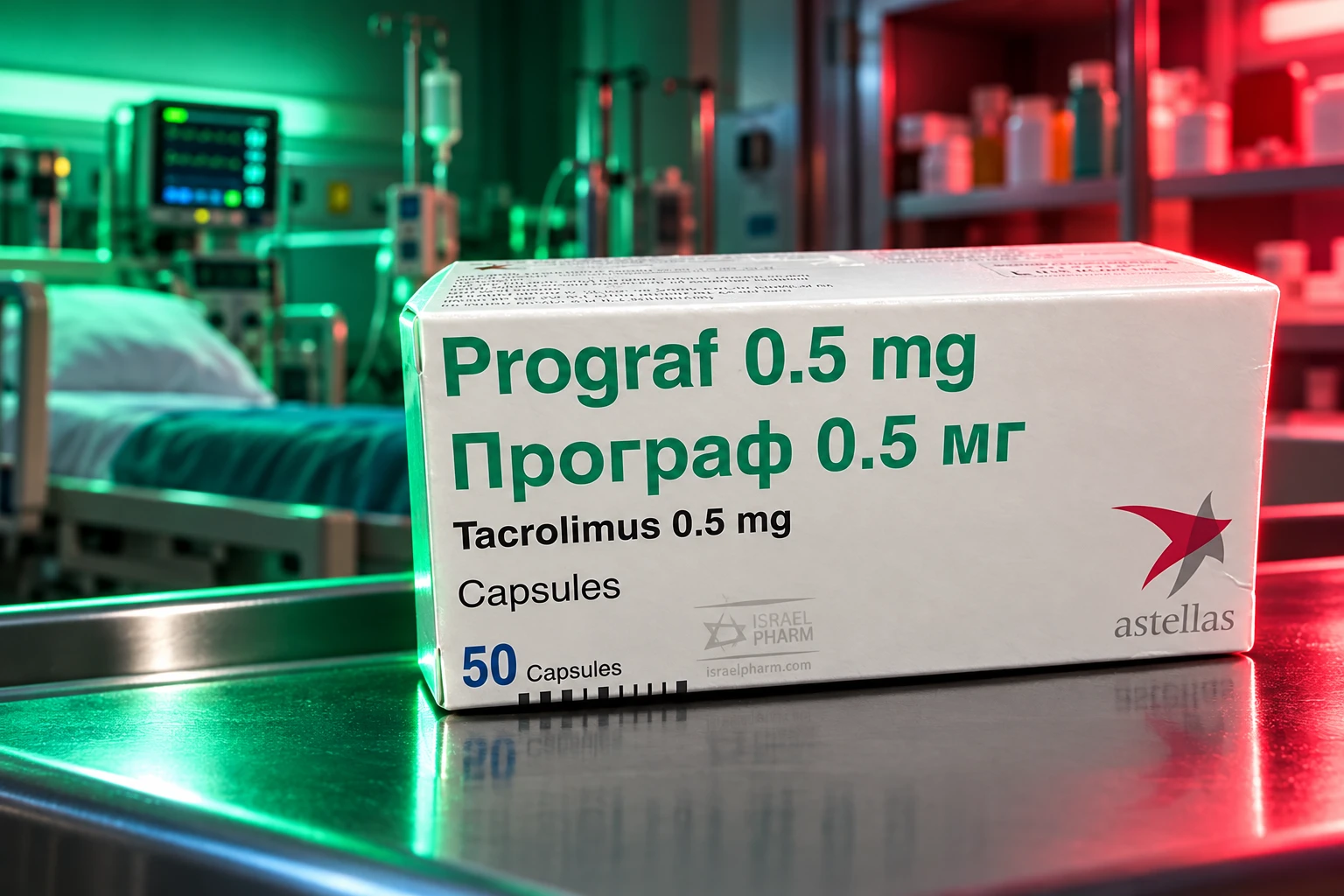
Chienwichai’s group did not crown a universal cutoff. They reported that the share of patients tagged as high IPV ranged from 11% to 69%, and they blamed the mix of formulas, thresholds, and measurement periods. A clinic using one rule could flag about one patient in nine. A clinic using another could flag two in three. Both would claim to be following the literature.
Many kidney papers lean on the coefficient of variation of trough levels, often after month 6, when doses have been titrated. Others use mean absolute deviation or raw standard deviation. Pediatric work has tested cuts near 23%. Adult papers often treat 30% as a working high-risk line. The new review’s pooled 2.13 figure averages across that mess. It cannot tell a coordinator which of those lines to print on a flowsheet.
WHY THE HIGH-IPV SHARE JUMPS SO FAR
- The metric: Coefficient of variation, mean absolute deviation, and standard deviation do not rank the same patients in the same order.
- The cutoff: A 23% line, a 27% line, and a 30% line move thousands of people from “low” to “high” without a new blood draw.
- The window: Early post-transplant troughs bounce while doses change; months 6 to 12 are calmer, and papers pick different spans.
- The sample: A few clinic troughs treated as a series will look wilder than a dense, timed set in an adherent trial.
Subgroup checks in the Thai review still pointed the same way, which is why the association is hard to dismiss. They were also too imprecise, the authors said, to turn any one method into a standard tool. That is the practical stall: a strong average hazard attached to a label that does not travel.
What a Wobbly Trough Measures
Tacrolimus is the backbone immunosuppressant after most kidney transplants. The blood range that prevents rejection sits close to the range that hurts the new kidney, raises potassium, and rattles nerves, which is why clinics already chase troughs. IPV asks a second question: how much did this person’s line jump from visit to visit, even if today’s number looks fine.
Missed doses can produce that jump. So can a fatty meal, grapefruit, a new macrolide antibiotic, an antifungal, St John’s wort, a bout of diarrhea, or a CYP3A5 genotype that forces higher doses. CYP3A5 expressers typically need about 50% more drug to hit the same trough. A 2025 Chinese cohort found high IPV lining up with graft loss in CYP3A5 nonexpressers, and not in expressers, which is a reminder that the same CV% does not mean the same biology in every patient.
Adherence is the story most transplant teams reach for, and it is only part of the record. In highly adherent adults, a 2019 pharmacokinetic study put median week-to-week variation near 15.2%, well under the 30% line many papers call high. A 2021 Scientific Reports analysis of stable recipients using electronic pill caps found median CVs of 16.5% in the nonadherent group and 16.0% in the adherent group, a gap that was not meaningful. In 2025, Bethany J. Foster and colleagues reported that tagging adolescent and young adult recipients as high-IPV (standard deviation at or above 2, or CV at or above 30%) did not match day-to-day electronic taking and timing records.
WHERE EXPERTS DISAGREE
- Adherence proxy: Reviews in the American Journal of Transplantation have treated a gap between that ~15% adherent baseline and observational CVs as evidence that missed doses drive most high IPV, and have flagged patients above 30% or 40% as high risk.
- Poor classifier: Pill-cap work in stable adults, and Foster’s adolescent cohort, found high-IPV group membership a weak stand-in for measured taking behavior, so a CV alarm can mislabel people who are swallowing the capsules.
- Routine tool: Stanford pediatric nephrologist Vaka Sigurjonsdottir has argued that a CV at or below 20% marks likely adherence and that IPV should be built into ordinary follow-up; Chienwichai’s paper still asks for standardized measurement, validated thresholds, and prospective tests before that step.
A wild trough is still a reason to ask what changed. It is a weak reason to assume the patient is lying about the bottle.
One In-Range Level Can Hide the Pattern
Standard monitoring still files a single trough against a target band. That number can sit in range on clinic day after a week of lows and spikes the lab never saw. FDA product-specific guidance keeps tacrolimus in the narrow therapeutic index drug class, citing a thin gap between useful and toxic concentrations, the need for blood monitoring, small dose steps, and low-to-moderate within-subject variability. The May 2026 revision still wants fully replicate fasting and fed bioequivalence studies on the 5 mg strength, which is the regulator’s way of saying the average curve is not the whole risk.
UK clinic leaflets already treat timing as part of the assay. University Hospitals Sussex tells recipients to take tacrolimus at about 10am and 10pm, on an empty stomach, and to hold the morning capsule on clinic day until after the blood draw so the lab sees a true trough. Grapefruit is out. The same leaflets tell patients to keep the same tacrolimus brand unless the transplant team changes it, naming Adoport, Prograf, and Advagraf as versions that are not casual swaps.
Once-daily products are the other lever teams reach for when they want fewer missed evening doses. A Shiraz cohort of 110 adults, posted 19 October 2026, reported six-month adherence of 81.13% on Advagraf against 63.16% on twice-daily Prograf. IPV was 13.62% versus 18.15%, a gap that did not meet the study’s statistical threshold (P=0.10). Better taking did not automatically flatten the lab line in that sample, which is the pattern the MEMS papers also keep producing.
Generic Fills Keep Changing the Capsule in the Bottle
A patient can do everything the leaflet says and still see the line jump if the capsule in the bottle changes. U.S. bioequivalence rules for this drug are tighter than for an ordinary generic, and they still describe average exposure, not a promise that every switch will leave one person’s troughs still. Randomized crossover work has found some generic products bioequivalent to Prograf and to each other in transplant recipients under trial conditions. Chart reviews of real fills have also found more trough excursions when the formulation was allowed to vary than when it was locked.
On 18 September 2023, FDA moved Accord capsules to a BX rating after new data suggested a higher peak concentration than Prograf, with no important difference in troughs. A BX code means the capsules stay approved and can be prescribed, but they are no longer recommended as automatic pharmacy substitutes for the brand. Other makers’ tacrolimus capsules were left untouched. Peak and trough can part company, which is exactly the sort of within-person wobble a single C0 cannot describe.
A BX rating means that the data are insufficient to show that Accord Healthcare Inc.’s tacrolimus oral capsules provide the same therapeutic effect as Prograf (tacrolimus) oral capsules.
U.S. Food and Drug Administration, 18 September 2023 statement
The people who actually choose the bottle are often a community pharmacist and a payer’s preferred-product list, not the nephrologist who signed the trough protocol. If IPV ever becomes a quality flag, those substitution rules become part of the causal path, because a “high CV” chart may be recording a series of legally substitutable products rather than a series of missed Saturday night doses.
The U.S. Kidney List Is Already Long Enough
Each graft that fails returns a patient to dialysis and, often, to the waiting list. U.S. centers performed a record 27,660 kidney transplants in 2024, up 309 from 27,351 in 2023, according to the OPTN/SRTR 2024 Annual Data Report. Adult candidates listed rose to 143,982, and 10.7% had already been waiting five years or longer. Delayed graft function in adult recipients sat at 26.7%.
FIVE-YEAR GRAFT SURVIVAL, TRANSPLANTS IN 2017-2019
- Ages 18-34: 89.9% after a living-donor kidney, 82.5% after a deceased-donor kidney.
- Ages 65 and older: 79.8% living-donor, 66.1% deceased-donor.
- Patient survival: 85.9% of kidney recipients from that era were alive at five years.
Those figures already bake in today’s trough-based care. They also show how much long-term function still leaks away after the first year, which is the period IPV studies usually target. A monitoring add-on that flags the wrong people, or that duplicates a problem already visible as missed visits and undetectable levels, will not move those five-year lines. A tool that catches unstable exposure early might. The Thai review does not say which of those futures it is looking at, because no one has run the trial.
Flattening the Curve Has Not Been Tested
Chienwichai, Mongkolrattanakul, and Chang were plain about the limit of observational pooling. The associations do not prove that variability itself destroys grafts, and they do not prove that watching IPV would save any. Before the metric can be a reliable clinical tool, they wrote, measurement has to be standardized, thresholds have to be validated, and prospective evidence has to show practical value.
HOW TACROLIMUS VARIABILITY MOVED FROM SIDE NOTE TO RISK FLAG
- 2010: Borra and colleagues link high within-patient tacrolimus variability to worse composite graft outcomes in a 297-person Dutch cohort, the paper later reviews treat as the starting gun.
- 2011: FDA concludes tacrolimus is a narrow therapeutic index drug and, in 2012, tightens bioequivalence study design for generics.
- 2019: A highly adherent kidney and liver cohort puts median week-to-week CV near 15.2%, giving later papers a baseline for “this is the drug, not the missed dose.”
- 18 September 2023: FDA drops Accord’s oral tacrolimus capsules from AB to BX after peak-level data, a rare public break in automatic substitution.
- 12 October 2026: Chienwichai’s team posts the 11,647-person pooled hazard of 2.13 for death-censored graft loss and 2.05 for rejection, and still withholds a monitoring recommendation.
What a working protocol would need is boring and specific: the same formula at every center, a cutoff tested against biopsy-proven rejection and death-censored graft loss rather than against other CV cutoffs, a plan for what the coordinator does on a high-IPV week (repeat the trough, lock the brand, look at interacting drugs, talk about meals and timing), and a trial that asks whether that bundle changes outcomes. Until those pieces exist, a wild trough is a prompt to ask why the line moved, not a number to treat on its own.
Frequently Asked Questions
What Is Death-Censored Graft Loss in Kidney Transplant Studies?
It counts only transplanted kidneys that fail while the patient is still alive. A recipient who dies of a heart attack with a working graft is not scored as graft loss, which is why a death-censored endpoint can rise even when overall patient survival looks stable. Chienwichai’s primary analysis used that definition so lost organs would not be mixed with deaths from other causes.
How Do Researchers Calculate Tacrolimus IPV?
The most common kidney-transplant method is the coefficient of variation: the standard deviation of several troughs divided by their mean, often using samples drawn between 6 and 12 months after surgery. Other groups use mean absolute deviation or the raw standard deviation of the same troughs, and those three summaries do not always flag the same people, which is one reason high-IPV rates in the pooled papers ran from 11% to 69%.
Should Patients Skip Tacrolimus Before a Clinic Blood Test?
Many UK transplant clinics tell patients to bring the morning capsule and take it after the blood draw, so the lab records a true 12-hour trough rather than a level taken an hour after the dose. University Hospitals Sussex also asks for an empty stomach, about one hour before and two hours after the capsule, and a roughly 10am and 10pm clock. Patients should follow their own center’s written timing, because the rule is local even when the drug is the same.
Why Is Tacrolimus a Narrow Therapeutic Index Drug?
FDA reached that conclusion in 2011 because the gap between effective and toxic concentrations is thin, because too-low levels fail therapy and too-high levels cause harm, because clinics already adjust doses from blood levels, because within-subject variability is low to moderate, and because dose changes in practice come in small steps. Product-specific guidance revised in May 2026 still asks generic applicants for fully replicate fasting and fed studies on the 5 mg strength and for tighter content-uniformity limits on the capsules.
Can a Pharmacy Switch Tacrolimus Brands Without the Clinic?
In the United States, AB-rated tacrolimus capsules can still be substituted at the counter unless the prescription blocks substitution. Accord’s capsules lost that automatic status on 18 September 2023, when FDA assigned a BX code after peak-level data versus Prograf. UK leaflets go further and tell patients not to change among Adoport, Prograf, and Advagraf unless the transplant team directs the switch; asking the pharmacy which manufacturer is in the bottle is the practical check.
Disclaimer: This article is news reporting and analysis of a published research review. It is for information only and is not medical advice, a diagnosis, or a treatment plan for any transplant recipient. It does not tell patients to change tacrolimus dose, brand, timing, or blood-test schedules. Readers should speak with their transplant nephrologist or transplant pharmacist before changing any immunosuppressant. Figures and study statuses reflect the papers and agency documents cited, and later research may change the hazard estimates or the definition of high variability.

Bulk Scotch Still Faces Full Duty After India’s UK Deal

Typhoon Champi Loops Off Taiwan and Still Injures 527

PM Modi Opens Chinmaya’s AI Guru and Asks for Unity

Mahim Police Hold a JeM Suspect on Enmity Charges

Gold Falls Below $4,000 as Hormuz Oil Hits $117

The iPhone 18 Pro Max Splits Apple’s Fall in Two

OpenAI Calls GPT-6 Astra AGI Then Locks Its Exploits

Clancy Juror Says the Holdout Never Cited Evidence

Trump Claims Hormuz Control as Oil Holds Near $96

Russia Closes the Goethe-Institut Berlin Tried to Save

 NEWS2 months ago
The iPhone 18 Pro Max Splits Apple’s Fall in Two
- NEWS2 months ago
OpenAI Calls GPT-6 Astra AGI Then Locks Its Exploits
- NEWS2 months ago
Clancy Juror Says the Holdout Never Cited Evidence
- BUSINESS2 months ago
Trump Claims Hormuz Control as Oil Holds Near $96
- LIFESTYLE2 months ago
Russia Closes the Goethe-Institut Berlin Tried to Save
- AUTO2 months ago
Volkswagen’s Job Cuts Leave Four Plants Without Cars
- NEWS2 months ago
Dyson Puts Nurovi Robots on Sale Without the UV Flagship
- NEWS2 months ago
The Lincoln’s 286-Day War Cruise Ends at a Thai Pier