
NEWS
Trump’s Hormuz Wait Locks Iran Into Permanent Leverage
US economic patience and Israel’s Gaza plan rejection leave Iran extracting lasting Strait of Hormuz control while multi-front attrition grinds on.

Iran’s deputy parliament speaker Ali Nikzad told the assembly that the United States has “practically realised that the opening of the Strait of Hormuz has no military solution” and must accept a new regional order. President Donald Trump, in an Axios interview, said Washington is only “semi-negotiating” with Tehran and will watch economic pressure mount instead of ordering fresh strikes.
At the same time Israel formally rejected Trump’s 15-point Gaza plan. The twin moves leave the region’s most vital waterway under lasting Iranian leverage while multi-front fighting grinds without clear exit ramps.
The Dual Stalemate on One Monday
Nikzad, addressing the Islamic Consultative Assembly, said Iran had tried to make clear during the war that Hormuz “is not going to return to the pre-war conditions.” He added that the American-Zionist side now understands there is no military fix and that Iran’s priority is cutting its own economic challenges.
Trump told Axios: “We are low-keying it. We are only semi-negotiating with them. We are just watching Iran with its huge inflation and the fact they have no money.” He noted oil prices slightly over $75 a barrel were easing pain for U.S. consumers and called the back-and-forth “like a chess game.”
Israeli Prime Minister Benjamin Netanyahu told his cabinet “Israel does not accept the 15-point document.” He said the military “will not carry out any withdrawal until Hamas is genuinely disarmed.”
The three statements landed on the same day and locked two separate tracks into place. Hormuz stays under Iranian managerial claims. Gaza stays under Israeli operational control. Neither side offered a ladder down.
Iran’s Fresh List of Conditions
On Saturday the outgoing secretary of Iran’s Supreme National Security Council, Mohammad Bagher Zolghadr, published expanded terms for reopening the strait on top of earlier Oman-mediated talks. The list includes:
- The United States must never threaten nor insult Iran in any language.
- Permanently end the war against Iran and its allies in Lebanon, Gaza, Yemen and Iraq.
- Lift the naval blockade and withdraw military forces from Iran’s surroundings.
- Pay full compensation for war damages, lift all sanctions and release frozen Iranian funds.
U.S. and mediating diplomats read the expanded demands as a product of internal Iranian splits. One camp around President Masoud Pezeshkian fears economic collapse; another around IRGC commander Ahmad Vahidi rejects concessions. Mediators had expected an Iran-Oman-U.S. arrangement on partial Iranian traffic control to be announced days earlier, but the window closed.
The timing of the list itself signals the harder camp’s current weight. By stacking maximal demands on top of the earlier Oman track, Tehran raised the price of any partial deal and bought more time for the economic-pressure test Washington now prefers.
Why Washington Chose to Sit
Administration officials describe the pause as deliberate. Fighting, they say, lets Iranian leaders dodge the domestic costs of infrastructure damage and currency collapse. Sitting forces Tehran to confront those realities. Vice President JD Vance told Fox News the United States is still applying “diplomatic, economic, military tools.”
Observers on X and in Washington also point to ammunition constraints after months of strikes. Trump himself had reportedly been warned the United States could not sustain another prolonged air campaign at previous intensity. Around 8 million barrels of oil still leave the Gulf nightly via the southern Omani lane under U.S. military coordination, buying time.
- Oil near $75: Trump cited the level as proof consumers feel less war pain.
- 8 million bpd: Nightly southern-lane exports coordinated with U.S. forces.
- Pre-war share: The strait handled roughly 25% of maritime oil trade and 19% of LNG.
- Blockade effect: U.S. officials claim it starves Iranian troop pay and hard currency.
Senator Chris Murphy told NBC the president has “lost this war,” arguing continued fighting weakens Washington while strengthening Tehran’s hand.
The pause therefore rests on a simple calculation already visible in the numbers: southern-lane volumes keep prices tolerable, the blockade continues to squeeze Iranian cash flow, and a fresh strike package would burn scarce munitions without guaranteeing a reopened strait under old rules.
Hormuz Will Not Snap Back
Iran has spent months institutionalizing control. It created a Persian Gulf Strait Authority, floated a strategic action plan in parliament, and drafted rules that would ban Israeli and U.S. ships while charging others. Brigadier General Abolfazl Shekarchi and Nikzad have both repeated that the waterway will not return to its original state.
Analysts map three potential reopening scenarios. Direct transit tolls like Suez or Panama look least likely after U.S. opposition. Service fees for pilotage, escort and traffic management sit on firmer legal ground and match recent Iranian language. Indirect compensation via unfrozen assets, higher oil sales and eased shipping insurance appears most plausible as part of a wider bargain.
| Scenario | Core Mechanism | Likelihood Signal |
|---|---|---|
| Direct tolls | Fixed fee per vessel like canal systems | Lowest; open U.S. rejection |
| Service fees | Charges for pilotage, escort, inspections | Medium; legally defensible |
| Indirect relief | Asset release and export access instead of fees | Highest; fits phased deal logic |
The Iran-Oman negotiations over Hormuz control remain the main track. Japan’s Prime Minister Sanae Takaichi urged free safe passage in a call with Oman’s Sultan Haitham, who said Muscat would consult user nations. Traffic has never fully recovered; workarounds and the southern lane keep global supply from collapsing, which is one reason why oil prices stayed below 100 after the initial shock peaks near $126.
That price path matters. Markets already absorbed the worst of the closure shock and settled into a higher-risk but still functional pattern. The longer that pattern holds, the less urgency any capital feels to force a pure military reopening.
Gaza Rejection Closes Another Door
Netanyahu’s public break with the Board of Peace plan, which Hamas had endorsed, removes an off-ramp the White House had touted as historic. The plan called for Hamas disarmament in exchange for full Israeli withdrawal and transition to a Palestinian national committee.
Israel rejects the 15-point document. The military will not carry out any withdrawal until Hamas is genuinely disarmed and will continue to thwart threats against our forces and our citizens.
Netanyahu made the statement at the start of a cabinet meeting. Analysts including Mohamad Elmasry of the Doha Institute said the bottom line is that Israel does not want Palestinian self-determination or governance in Gaza. Antony Loewenstein told Al Jazeera the United States has tools (aid freezes, UN votes, military support cuts) but will not use them because key figures do not view Palestinians as equal.
Germany called the plan an opportunity for Hamas disarmament and expected disagreements. Gaza’s Government Media Office called the rejection a direct blow that deliberately obstructs de-escalation.
The rejection therefore does double work. It freezes the Gaza track on Israeli terms and removes any diplomatic cover that a simultaneous Hormuz breakthrough might have provided Washington.
Costs Spread Across Multiple Fronts
While the central U.S.-Iran track pauses, secondary violence continues across several theaters at once.
- Israeli earthmovers demolished homes in southern Lebanese villages Zawtar al-Sharqiyah and Zawtar al-Gharbiyeh as tanks advanced, even as U.S.-mediated talks continue; locals refused to leave.
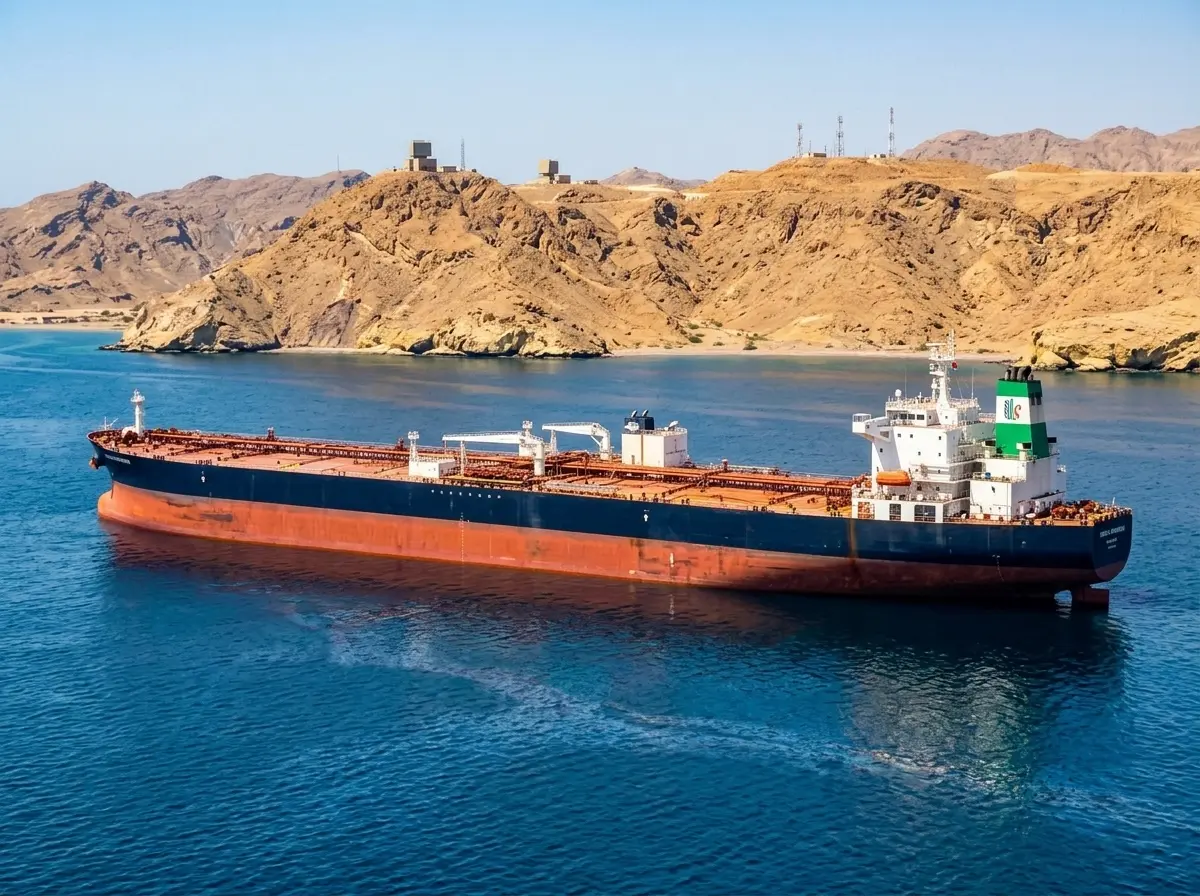
- An oil slick from the sanctioned tanker Caroline Bezengi, carrying Russian crude, spread across about 390 square kilometres off Oman after earlier damage.
- UN envoy Hans Grundberg urged Houthis to stop attacks on al-Makha that killed civilians and soldiers.
- Israeli forces arrested at least 19 Palestinians across the West Bank; settler violence hit record levels with more than 3,000 UN-recorded attacks since January 2025.
- A 13-year-old girl died of earlier gunfire wounds in southern Gaza.
Azerbaijan’s President Ilham Aliyev publicly thanked Iranian President Pezeshkian for acknowledging Baku’s aid routes during the war. Pakistan invited Iran’s foreign minister and parliament speaker for talks, continuing its earlier mediation role.
These parallel actions keep pressure distributed. No single front offers a decisive exit, yet each adds friction that the central pause must absorb.
How the Map Changed Since February
- 28 February 2026: U.S. and Israeli strikes begin; Iran moves to control Hormuz, traffic collapses.
- 7 April 2026: Ceasefire; Trump conditions it on complete safe opening of the strait.
- 17 June 2026: Trump and Pezeshkian sign MOU removing the U.S. blockade for 60 days and giving Iran a role in future arrangements with Oman.
- July 2026: Attacks resume; United States reimposes blockade after Iranian strikes on shipping and Gulf states; U.S. strikes resume then pause again late month.
- Early August 2026: Oman talks stall; Rezaei replaces Zolghadr as SNSC secretary, signalling tighter military-political alignment; Trump shifts to economic wait; Netanyahu rejects Gaza plan.
The appointment of Mohsen Rezaei, former IRGC commander and longtime supreme-leader adviser, to the Supreme National Security Council is read in Tehran reporting as possible militarisation of the security apparatus and closer alignment between the leader and presidency at a decision moment.
Hardliners Tighten Their Grip in Tehran
The replacement of Zolghadr by Rezaei fits the same pattern visible in the expanded Hormuz conditions. One camp around President Pezeshkian still fears economic collapse and currency freefall. The camp around IRGC commander Ahmad Vahidi continues to reject concessions.
Rezaei’s elevation, as a former IRGC commander and longtime adviser to the supreme leader, tilts the internal balance toward the harder line at the exact moment Washington has chosen to wait. That alignment reduces the odds of a quick, limited bargain on traffic management and raises the value Tehran places on permanent managerial rights.
Mediators who had expected an Iran-Oman-U.S. arrangement days earlier now face a narrower path. Any future deal must clear a security apparatus that has just grown more cohesive.
Southern Lanes Buy Time for Everyone
The nightly movement of roughly 8 million barrels through the southern Omani lane remains the practical safety valve. U.S. military coordination keeps that corridor open. Workarounds and insurance adjustments have already prevented a full supply collapse.
That flow explains why oil settled near $75 rather than staying near the earlier peaks above $126. It also explains why the administration can treat the pause as sustainable. Consumers feel less pain, Gulf exporters still move volume, and Asian importers absorb higher risk premiums instead of outright shortage.
The same mechanism, however, freezes the new status quo in place. As long as the southern lane functions, neither side faces an immediate crisis sharp enough to force a return to pre-war rules.
What the Pause Buys
The second-order result is already visible. Iran has converted a temporary wartime disruption into a claim of permanent managerial rights over an international strait. The United States has avoided the political and material cost of another major strike package while keeping oil flowing at levels that hold prices manageable. Israel has blocked any Gaza pathway that might constrain its freedom of action. Global markets adapted via southern lanes, insurance workarounds and demand destruction after the March spike; IEA chief warnings on energy security remain live but have not forced a military resolution.
Crowd reaction on X and among analysts treats the dual setbacks as face-saving for Trump: low-key rhetoric covers the absence of a clean win on either Hormuz or Gaza. Iranian hardliners gain time to consolidate. Gulf states and Asian importers live with higher risk premiums and the knowledge that free navigation is no longer the default. The chess game Trump described continues, but the board itself has been redrawn. Hormuz will reopen under new rules or remain contested; either outcome leaves Iran with leverage it did not hold in January.

-
 TECH1 year ago
Where Garmin Watches are Made and How They are Assembled
-

 AUTO2 months ago
Tesla’s Roadster Is ‘a Few Weeks Away,’ Says Its Chief Designer
-
 NEWS10 years ago
Samsung Releases Galaxy Note7 TV Ad as Reddit AMA Leaks Specs
-
 NEWS10 years ago
Android 7.0 Nougat Rolls Out To Nexus Devices With New Emoji, Features
-
 FINANCE9 years ago
Cardano Price Surges as ADA Enters the Crypto Top Ten List
-
 NEWS10 years ago
Pre-Order the First Camera Made for Facebook Live Streaming Video
-
 FINANCE1 year ago
Binance Suspends Trading and Withdrawals for a System Upgrade
-
 FINANCE9 years ago
RChain Price Jumps Nearly 150% to a New All-Time High of $2.03