
NEWS
Samsung HBM4E Puts Micron in a Three-Way AI Memory Race

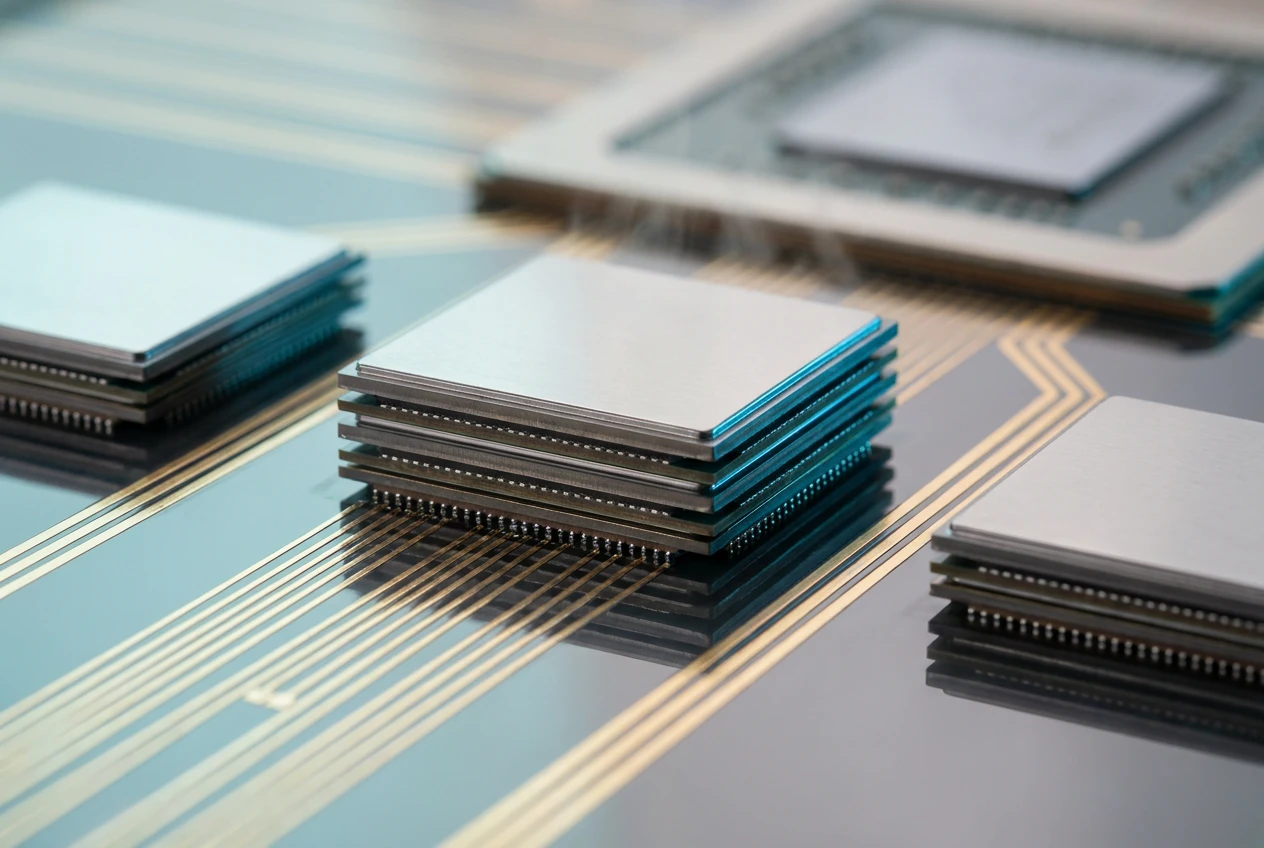
Samsung HBM4E samples put new pressure on Micron Technology, the U.S. memory maker, after Samsung Electronics, the South Korean memory and logic-chip supplier, said on May 29 that the high-bandwidth memory (HBM, stacked dynamic random-access memory placed close to an artificial intelligence (AI) processor) chip can reach 16 gigabits per second (Gbps) pin speed, 3.6 terabytes per second (TB/s) bandwidth and 48 gigabytes (GB) of capacity before volume production. For Micron, the danger sits in qualification windows, packaging capacity and supply contracts, far more than in one release.
That distinction matters because AI accelerator makers do not buy HBM the way other customers buy commodity memory. NVIDIA, the AI-chip supplier that sets much of the premium accelerator calendar, qualifies memory, base dies, packages and thermals together; once that work is done, a supplier can ride a platform cycle for years, or spend the next one trying to catch up.
Samsung Put a Clock on the HBM4E Race
The most important word in Samsung’s HBM4E sample announcement is samples. Customers have parts in hand for testing, yet Samsung still said mass production will be aligned with customer schedules after optimization. That leaves room for weeks or months of electrical, thermal and yield work before the part becomes revenue at scale.
The specifications are serious enough to force attention. Samsung says the 12-layer part uses its sixth-generation 10-nanometer-class dynamic random-access memory (DRAM, the working memory used by processors) process and a 4-nanometer logic base die, the same kind of memory-plus-logic mix that makes HBM a packaging contest as much as a wafer contest.
- 14 to 16 Gbps – Samsung’s stable pin speed and scalable peak for the sample.
- 3.6 TB/s – bandwidth per stack, aimed at feeding AI processors.
- 48GB – capacity in the 12-layer version, with 32GB and 64GB versions planned.
The order of events matters. Samsung already began commercial HBM4 shipments earlier this year, then moved to the enhanced version. That pace tells customers it wants the next design slot while its rivals are still filling today’s HBM4 orders.
The Three-Supplier Scorecard
Samsung enters a lane with two fast incumbents. SK hynix, the Korean memory maker that led the first HBM wave for AI accelerators, and Micron both have public HBM4 milestones that customers can test against Samsung’s new claim.
| Supplier | Latest Public Milestone | Published Performance Mark | Business Read |
|---|---|---|---|
| Samsung Electronics | HBM4E samples to major global customers | 14 to 16 Gbps, up to 3.6 TB/s, 48GB at 12 layers | Trying to pull the next qualification window forward |
| Micron Technology | HBM4 36GB 12-high in high-volume production for NVIDIA Vera Rubin | More than 11 Gbps and greater than 2.8 TB/s per stack | Protecting a near-term platform slot while preparing HBM4E |
| SK hynix | Completed HBM4 development and readied mass production | More than 10 Gbps, doubled bandwidth and over 40% better power efficiency versus prior generation | Defending the lead built in earlier AI memory cycles |
The scorecard shows the odd shape of this race. Samsung has the freshest HBM4E headline; Micron has shipping HBM4 on a named NVIDIA platform; SK hynix has the incumbent lead and a power-efficiency story. A single spec line will not decide that mix.
Part of the confusion comes from the suffix. HBM4 is the baseline generation now moving into premium AI systems; HBM4E is the enhanced step that memory vendors use to raise speed, capacity or efficiency before the next formal generation. Customers care less about the label than about whether the stack meets the processor’s power and thermal budget.
For buyers, the decision turns on confidence at rack scale. A memory stack that looks fast in a sample tray must survive heat, package stress, yield targets and firmware tuning next to the processor it serves.
Micron’s Risk Is Qualification Timing
Micron’s near-term shield is that it is already shipping HBM4 36GB 12-high in volume for NVIDIA Vera Rubin, the rack platform built around the Vera processor and Rubin accelerator. Its public materials put that part above 11 Gbps speed and above 2.8 TB/s of bandwidth per stack.
The market-share backdrop is why Samsung’s sample matters. Counterpoint Research’s quarterly HBM market share table puts SK hynix at 57% of HBM revenue at the end of 2025, with Samsung at 22% and Micron at 21%. The gap between second and third is thin enough that one qualification win can redraw the ranking.
The risk for Micron starts before purchase orders. Customer qualification is the tollgate. If Samsung can place HBM4E samples into the next boards earlier, it can shape thermal designs, base-die choices and memory maps before Micron’s own HBM4E volume ramp arrives.
Application-specific integrated circuits (ASICs, custom chips designed for one workload) make the stakes bigger. Cloud providers that build internal accelerators can tune memory choices to one model family, so the first supplier into the lab has a chance to shape the reference design.
That is why Samsung’s timing matters even if Micron’s existing book remains healthy. Board layouts, interposers and cooling choices get made before full production. A supplier that helps solve those problems early can become hard to remove later.
The Bottleneck Moves to Cleanrooms and Packaging
Demand is doing much of the work for all three suppliers. TrendForce’s latest memory forecast raised its global memory revenue estimate to $889.3 billion for 2026 and above $1.28 trillion for 2027, citing agentic AI inference, memory shortages and rising prices.
Micron’s operating language points to the same constraint. Dynamic random-access memory and NAND flash (nonvolatile storage memory) supply are tight, cleanroom constraints limit bit growth, and HBM uses more wafer capacity than ordinary DRAM. That is why Micron’s fiscal Q2 prepared remarks read less like a victory lap than a construction plan.
- Cleanroom space: HBM demand pulls advanced DRAM wafers away from lower-price products.
- Advanced packaging: higher stack counts, base dies and thermal materials decide how many working parts ship.
- Contract timing: strategic customer agreements give suppliers visibility, while buyers get a claim on scarce output.
HBM also has a trade-ratio problem. Because stacks consume more leading-edge memory wafers and advanced assembly capacity, a dollar of AI memory revenue can crowd out many bits of conventional DRAM. That scarcity is why even a supplier gaining share can still leave customers short.
That setup changes the meaning of Samsung’s sample. Faster memory can win sockets, but output volume decides how much of the win can be delivered.
Samsung’s Comeback Cuts Both Ways
Samsung has one advantage Micron cannot copy quickly: it can combine memory, foundry, logic design and advanced packaging under one roof. Its release points directly to that model, citing the 1c DRAM process and Samsung Foundry’s 4-nanometer logic base die as part of the product’s stability and manufacturability case.
Samsung’s broad manufacturing base helps because HBM4E combines more than a DRAM stack. The base die carries logic, the interposer links memory to the processor, and thermal design decides whether advertised bandwidth survives a full rack running under load.
Scarcity cuts both ways. The same AI demand that gives Samsung room to recover also raises the penalty for misses. A late qualification, a low-yield stack or a thermal issue would land in a market where customers already plan capacity years ahead.
The internal pressure is visible outside the lab. Samsung’s chip labor bonus fight showed how the AI-memory windfall can become a cost and labor test alongside a share-price event.
For Micron, Samsung’s return is uncomfortable but useful. A stronger second Korean supplier keeps cloud buyers from leaning too hard on SK hynix, and it confirms that HBM pricing power is broad rather than company-specific. The catch is that Micron must keep proving its third seat comes with strategic design influence instead of leftover allocation.
The Stock Read Is Less Clean Than the Spec Sheet
For investors, the easy mistake is treating Samsung’s HBM4E sample as an immediate revenue transfer away from Micron. Samples do not pay like qualified volume, and Micron’s current HBM4 ramp gives it near-term exposure to NVIDIA’s Vera Rubin buildout. The harder question is whether Samsung gets a better seat when the next set of accelerator boards is frozen.
Micron’s valuation debate now has two clocks. The first is the demand clock, where AI servers, custom chips and storage-heavy inference keep soaking up memory. The second is the technology clock, where HBM4E, 16-layer stacks and custom base dies reset the supplier list.
That makes the share-price reaction tricky. A stronger Samsung may cap some of the scarcity premium investors assign to Micron, but it can also confirm that customers are desperate enough to fund several suppliers at once. The bearish read needs proof of displacement before it can lean on a faster sample alone.
If Samsung converts samples into qualified volume before Micron’s own next-generation ramp, Micron’s pricing umbrella narrows. If qualification drifts while AI servers keep absorbing every stack, Samsung’s announcement stays a warning shot rather than a revenue transfer.
Disclaimer: This article is for informational purposes only and is not investment advice. Semiconductor and technology stocks carry market, execution and valuation risk. Consult a qualified financial professional before making investment decisions. Figures cited are accurate as of publication.

-
 TECH1 year ago
Where Garmin Watches are Made and How They are Assembled
-

 AUTO3 months ago
Tesla’s Roadster Is ‘a Few Weeks Away,’ Says Its Chief Designer
-
 NEWS10 years ago
Samsung Releases Galaxy Note7 TV Ad as Reddit AMA Leaks Specs
-
 NEWS10 years ago
Android 7.0 Nougat Rolls Out To Nexus Devices With New Emoji, Features
-
 FINANCE9 years ago
Cardano Price Surges as ADA Enters the Crypto Top Ten List
-
 NEWS10 years ago
Pre-Order the First Camera Made for Facebook Live Streaming Video
-
 FINANCE1 year ago
Binance Suspends Trading and Withdrawals for a System Upgrade
-
 FINANCE9 years ago
RChain Price Jumps Nearly 150% to a New All-Time High of $2.03