
FINANCE
Kospi’s Record Surge Exposes AI Trade’s Fragile Core
South Korea’s Kospi posted its largest one-day gain ever as Samsung and SK Hynix roared back.

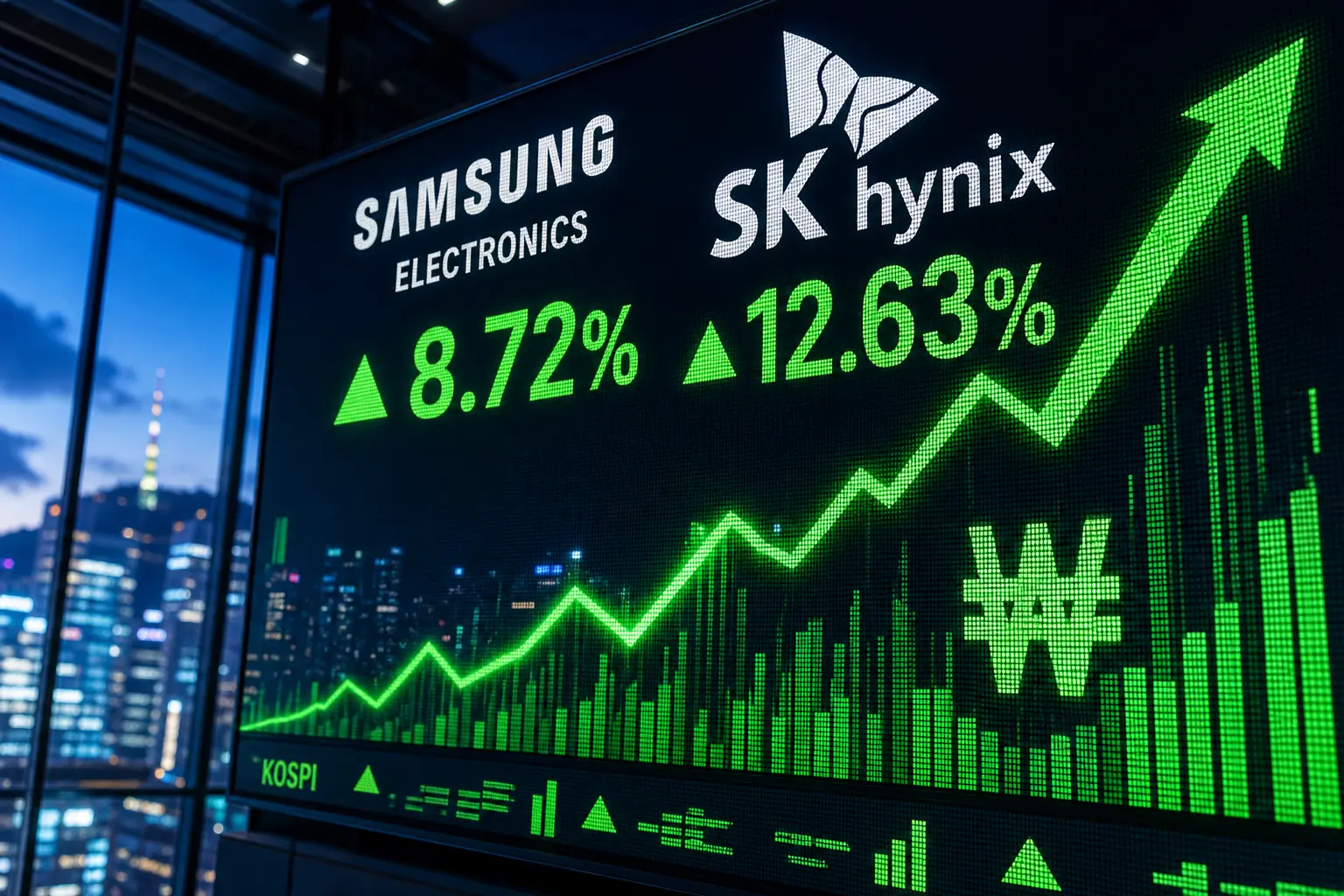
South Korea’s Kospi surged nearly 18% on Friday to post its largest one-day gain on record, reversing a multi-day AI-driven rout as Samsung Electronics and SK Hynix rocketed higher. The benchmark climbed as much as 17% intraday and closed around 6,595 according to displayed data, adding hundreds of billions in market value after tumbling more than 20% from its June peak near 9,386.
The flip capped a month of extreme swings that left the index looking more like a meme stock than a national benchmark. Foreign buying, short-covering and the first day of tighter leverage rules all piled on at once.
The Numbers That Flipped Overnight
LSEG data initially tracked a 14% surge that later prints showed nearer 18%. Samsung shares jumped 21% to 28% across reports. SK Hynix posted a record rebound, hitting the daily limit near 30% in some tallies after earlier plunges of 9% to 20% on earnings that still disappointed lofty AI expectations.
| Index or Stock | Friday Move | Recent Context |
|---|---|---|
| Kospi | +17.9% (record) | Down ~23% past month from June ATH |
| Samsung Electronics | +21% to +28% | Heavy weight in index, prior 5%+ drops |
| SK Hynix | +24% to +30% | Record rebound after earnings miss reaction |
| Foreign net early | Over 4 trillion won | Storm-like buying vs prior selling streak |
Circuit breakers had halted trading twice earlier in the week. July still finished as one of the worst months since 1997 even after Friday’s recovery. Year-to-date the Kospi remains sharply higher, near 50% or more depending on the exact close.
- ~$500 billion added to Korean equities in the session per market tallies circulating on X.
- Two straight days of circuit breakers preceded the rebound.
- 30 million won new minimum cash needed for leveraged single-stock ETF trades starting Friday.
- June industrial production up 2.3%, fastest in six years, offering domestic support.
AI Concentration Turned the Index Into a Pure Play
Samsung and SK Hynix together dominate Kospi weighting, often more than half at peaks. They sit at the center of the global high-bandwidth memory (HBM) supply chain that powers AI accelerators. When U.S. hyperscalers report solid cloud and AI spending, as Microsoft, Amazon and Meta did overnight, Korean chip stocks and the entire index rocket. When valuations look stretched or leverage unwinds, the same names drag everything down.
Khoon Goh, head of Asia research at ANZ, put it bluntly: the Kospi has been trading like a meme stock or crypto. “It’s not normal behavior for a major index.” That concentration delivered the world’s best-performing major market earlier in 2026. It also delivered the sharpest monthly declines and overnight panics once foreign sellers and retail margin calls hit.
The same dynamic that lifted Korean chipmakers through the AI build-out now transmits every wobble in global tech capex straight into Seoul’s closing auction. Parallel volatility has hit other Asian indices swinging hard on external shocks, but few match Kospi’s amplitude.
New Leverage Rules Met a Short Squeeze
Regulators accelerated the 30 million won cash deposit rule for single-stock leveraged ETFs and ETNs to July 31 from a later date. Investors must now hold pure cash rather than stocks or bonds as collateral. The products, launched earlier on Samsung and SK Hynix, had been blamed for amplifying both the melt-up and the crash.
- Late May 2026: Domestic single-stock leveraged ETFs tied to the two chip giants win approval and draw heavy retail flows.
- July 16: Financial Services Commission unveils tighter deposit rules and collateral bans.
- July 23-24: Implementation pulled forward to July 31 to cool swings.
- July 28-30: Consecutive circuit breakers, 10%+ daily drops, forced liquidations.
- July 31: Rules take effect; record rebound and short-covering hit simultaneously.
Jung In Yun of Fibonacci Asset Management said foreign investors led Friday’s buying while short-covering and mechanical ETF rebalancing magnified the move. Positioning had grown extremely bearish after the rout.
Insiders and Retail Faced Different Realities
SK Group Chairman Chey Tae-won made his first personal open-market buy of SK Hynix stock the day before the rebound, a 4.79 billion won purchase of 3,620 shares. The size stayed just under the 5 billion won pre-disclosure threshold. The signal of confidence landed as shares sat near multi-month lows.
Retail investors who rode leveraged products higher earlier faced margin calls and forced sales on the way down. Some online commentary described the week as worse than prior crises in raw percentage terms for the index. Government officials apologized in parliament during the worst sessions and floated a 20 trillion won sovereign fund for strategic AI and chip investments.
Labor pressures at the chipmakers continue in parallel. Recent coverage of Samsung wage and bonus pressures shows how the AI boom’s profits and risks flow unevenly inside the companies themselves.
Underlying Demand Still Looks Solid
Rolf Bulk, semiconductor analyst at Futurum Group, said the rally reflects renewed confidence that the AI infrastructure cycle remains intact. “There are no signs of the AI infrastructure build-out slowing down, and we remain positive on the sustainability of the cycle.” Forced selling largely ran its course.
SK Hynix itself has pointed to continued HBM leadership. Industry assessments still give the company HBM market share above 50% into 2026, with HBM3E dominant and HBM4 ramping. CEO comments earlier this month warned of lasting shortages into 2027 and beyond as demand outruns capacity.
I think we’re going to get a lot more days like this. Asset prices are completely disconnected. It’s telling us that there’s a massive amount of leverage out there.
Paul Gambles, co-founder of MBMG Family Office Group, issued that warning in the same breath as acknowledging Friday could last a bit longer. He sees the swing itself as evidence that a larger correction remains possible if leverage and fragile confidence collide again.
Jung In Yun struck a middle note: gains of this size will not continue, yet the rebound could run further because positioning was so bearish and AI-memory fundamentals remain strong. The real test is whether foreign buying persists after short-covering fades.
Foreign Flows Will Decide If This Sticks
Early session foreign net purchases exceeded 4 trillion won, described locally as a record-breaking storm. That reversed multi-week selling. If the inflows continue into next week, Jung said a more durable recovery becomes possible. If they reverse once the mechanical squeeze ends, Friday simply becomes another violent day in a bipolar market.
Crowd reaction on X captured the irony cleanly. One widely shared observation noted that an 18% jump only returned the index to levels seen on Tuesday. Another tallied roughly 720 trillion won ($500 billion) added in a single session. Skeptics called the moves LTCM-like or meme-stock behavior for a national index. Optimists saw a classic washout bottom after 30-50% drawdowns in the AI memory names.
Either way, the structure is set. South Korea’s equity market now functions as the purest large-scale expression of the global AI capex trade, complete with retail leverage, foreign flow dependence and two dominant stocks. That delivered the record rally. It also guarantees more days that look exactly like the ones that preceded it.
The Kospi closed Friday higher by a historic margin. The question left on the tape is how many more reversals of that size the market can absorb before the next forced test arrives.

-
 TECH1 year ago
Where Garmin Watches are Made and How They are Assembled
-

 AUTO3 months ago
Tesla’s Roadster Is ‘a Few Weeks Away,’ Says Its Chief Designer
-
 NEWS10 years ago
Samsung Releases Galaxy Note7 TV Ad as Reddit AMA Leaks Specs
-
 NEWS10 years ago
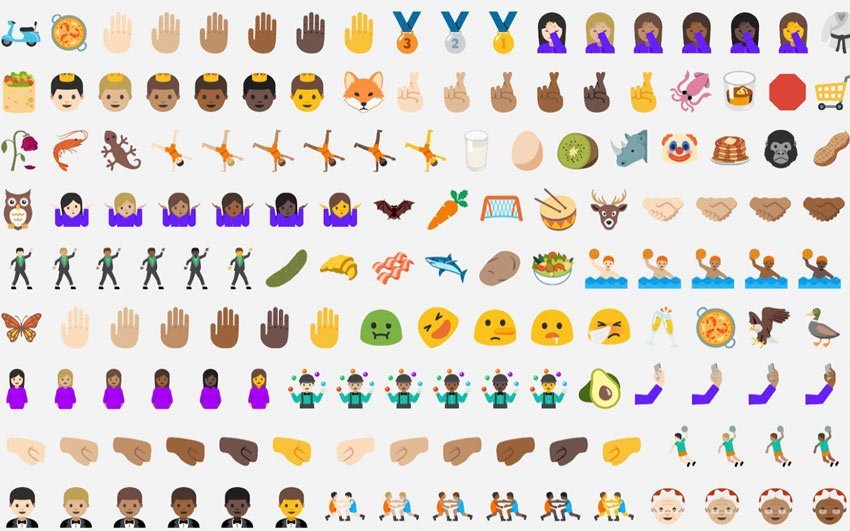
Android 7.0 Nougat Rolls Out To Nexus Devices With New Emoji, Features
-
 FINANCE9 years ago
Cardano Price Surges as ADA Enters the Crypto Top Ten List
-
 NEWS10 years ago
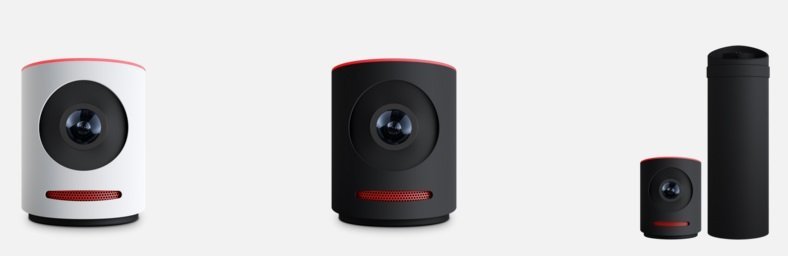
Pre-Order the First Camera Made for Facebook Live Streaming Video
-
 FINANCE1 year ago
Binance Suspends Trading and Withdrawals for a System Upgrade
-
 FINANCE9 years ago
RChain Price Jumps Nearly 150% to a New All-Time High of $2.03