
BUSINESS
NSE Pays Record ₹1,491 Crore to Close Decade-Old SEBI Cases
SEBI accepts NSE’s ₹1,491 crore settlement for co-location and dark fibre cases already provisioned, removing the main legal cloud ahead of the exchange’s mega IPO.

SEBI has granted in-principle approval for the National Stock Exchange to settle its long-running co-location and dark-fibre cases for ₹1,491.21 crore, subject to payment of the remaining balance. The board approved the cheque the same day the exchange posted a clean ₹3,120 crore quarterly profit.
The move ends the biggest legal overhang hanging over NSE as it pushes toward a mega IPO later this year. A decade of notices, orders, appeals and revised bids now collapses into a single accepted figure and a board resolution dated the same day as the profit print.
The Exact Settlement Numbers
SEBI emailed its acceptance on 30 July 2026. NSE must pay an additional ₹714.74 crore. That sits on top of the ₹776.47 crore the exchange already deposited, which will be adjusted against the total.
| Component | Amount (₹ crore) |
|---|---|
| Co-location case | 1,223.56 |
| Dark fibre case | 267.65 |
| Total settlement | 1,491.21 |
| Already deposited | 776.47 |
| Fresh demand | 714.74 |
The settlement covers both the Whole-Time Member and Adjudicating Officer orders in each matter. Finality comes after NSE pays and SEBI issues the formal settlement order. The two sides are then expected to approach the Supreme Court to withdraw pending appeals.
NSE first offered ₹1,387.39 crore in June 2025, then raised the bid to the current figure in March 2026. The accepted sum is the largest settlement SEBI has recorded with any single entity.
| Stage | Date | Amount (₹ crore) |
|---|---|---|
| Initial offer | June 2025 | 1,387.39 |
| Revised offer | March 2026 | 1,491.21 |
| In-principle acceptance | 30 July 2026 | 1,491.21 |
The step-up between the two offers closed the gap that had kept the applications open. Once the fresh demand is paid, the arithmetic on both sides of the ledger matches the provisions NSE already carried.
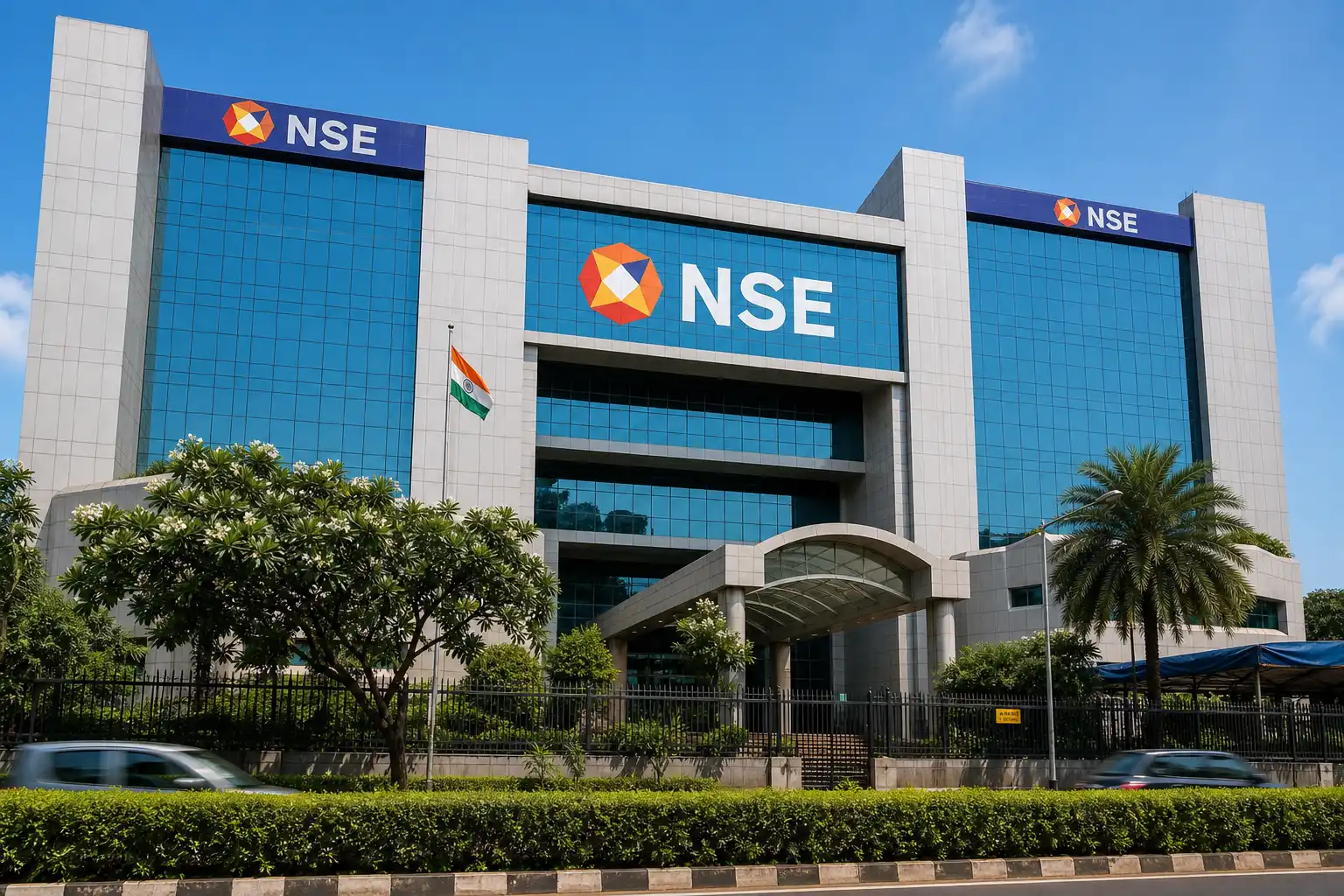
How the Cases Unfolded Over a Decade
The reckoning traces to 2015-16. Certain brokers allegedly received preferential access to NSE’s co-location servers, logging in early and obtaining market data fractions of a second ahead of others. A parallel dark-fibre matter involved unauthorised high-speed connectivity.
- 2017-2018: SEBI issued show-cause notices after preliminary and deeper investigations into governance lapses and unequal access.
- April 2019: Whole-Time Member ordered NSE to disgorge roughly ₹625 crore plus 12% interest and barred the exchange from raising capital in the securities market for six months. That order froze IPO plans for years.
- Appeals and SAT: NSE fought the orders through the Securities Appellate Tribunal and Supreme Court.
- June 2025: NSE filed settlement applications under the SEBI Settlement Regulations for both matters.
- March 2026: Revised terms lifted the package to ₹1,491.21 crore.
- 30 July 2026: SEBI accepted the revised terms in principle and issued the demand letter.
An official snapshot of the dark fibre and co-location facts circulated earlier by professional bodies laid out the secondary-server and fibre irregularities that formed the core of the charges. SEBI’s earlier co-location enforcement orders remained the legal backbone until the settlement path opened.
The 2019 capital-raising bar was the practical choke point. Even after the six-month window lapsed, the unresolved orders and the live appeals kept any draft prospectus under a regulatory shadow. Settlement applications in 2025 were the first formal attempt to convert that shadow into a fixed cash number.
Each revision of the bid reflected the same underlying cases rather than new charges. The co-location leg remained the larger share of the package; the dark-fibre leg stayed the smaller companion matter. Together they formed the single largest settlement SEBI has taken from one entity.
Why the Payment Leaves Profits Untouched
NSE already booked the pain. It took a ₹1,391.21 crore provision in FY26 on top of an earlier ₹100 crore set aside in FY23. The fresh ₹714.74 crore is therefore a balance-sheet cash outflow against an existing liability, not a new hit to the income statement.
| Item | Amount (₹ crore) |
|---|---|
| Provision booked in FY23 | 100 |
| Provision booked in FY26 | 1,391.21 |
| Total provisions | 1,491.21 |
| Settlement total | 1,491.21 |
That is why the June quarter looks clean. Consolidated net profit came in at ₹3,120 crore, up 6.7% year on year (about 11% on continuing operations after stripping a prior one-off). Operating revenue rose 13% to ₹4,560 crore. Net margin on operating revenue stayed near 68%.
SEBI, via email dated 30 July 2026, has in principle agreed to accept the terms of the settlement and has made a demand of ₹714.74 crore, in addition to the ₹776.47 crore already deposited. The Board, in its meeting on 30 July 2026, approved the payment.
The note appears in the exchange’s results filing. Trading services still supply the bulk of revenue, with data, indices and other services growing faster from a smaller base.
Because the full settlement amount was already provided, the board could approve the cheque on results day without restating earnings. Cash leaves the balance sheet; the income statement for the quarter stays untouched by the old cases.
IPO Roadmap After the Overhang Lifts
NSE filed its draft red herring prospectus on 17 June 2026. Investor roadshows are already under way. Market talk centres on an issue size near ₹30,000 crore, structured largely or entirely as an offer for sale, with a possible listing window in September if SEBI observations arrive by mid-August.
Unlisted shares have recently changed hands around ₹2,000, implying a market capitalisation near ₹4.95 lakh crore on 247.5 crore shares. That equates to roughly 40 times annualised first-quarter earnings. Global exchange multiples often sit lower; NSE’s near-monopoly in equity derivatives and cash-generation power explain the premium.
The settlement removes the single largest regulatory cloud that had blocked a public listing since the 2019 capital-raising bar. It also sits alongside another large financial IPO this season that tested investor appetite for financial infrastructure names.
- SEBI final observations on the DRHP expected next.
- Completion of the settlement payment and formal order.
- Supreme Court nod to withdraw appeals.
- Pricing and launch of the offer once the NOC is clean.
Reliance Jio’s expected mega offering remains the other heavyweight on the 2026 calendar. The two deals will compete for the same pools of domestic and foreign institutional demand if their windows overlap.
An offer for sale of this scale transfers existing shares rather than raising primary capital for the exchange. That structure keeps the focus on valuation and free float, not on deployment of fresh proceeds inside the company.
Residual Claims and What Still Sits Open
The co-location and dark-fibre matters are not the only legal threads. A compensation claim filed by the Metropolitan Stock Exchange of India remains pending. Other smaller proceedings exist, yet none match the scale or IPO-blocking power of the settled cases.
People familiar with the process note that SEBI and NSE will jointly move the Supreme Court once payment is made. Until the court signs off and the settlement order is issued, a technical residual remains. In practice the market is already treating the cloud as lifted.
Governance scars from the preferential-access era still colour how some long-term holders view culture and controls. The cash price has now been paid.
The MSEI claim and the smaller matters will continue on their own clocks. They do not carry the capital-raising bar that the 2019 order imposed, and they have not shaped the IPO calendar the way the co-location and dark-fibre files did.
What Pre-IPO Holders Already Price In
On X and in unlisted circles the reaction was swift and largely positive. Accounts tracking pre-IPO paper framed the news as the last major gate opening. The record size of the settlement drew less complaint than the simple fact that a decade-old fight finally has a number and a board approval.
Unlisted prices had already drifted sideways-to-down over the prior twelve months from higher peaks near ₹2,300. The settlement confirmation removes one reason for a further discount. Whether the public listing delivers the classic re-rating depends on final valuation, derivatives regulation, and the usual market mood at launch.
NSE’s business remains highly concentrated in trading volumes, especially derivatives. SEBI’s ongoing product and expiry rules can still move the revenue needle. That concentration risk never disappeared; the legal overhang just did.
Holders who bought nearer the ₹2,300 peaks have watched the paper cool toward ₹2,000. The settlement does not reset that path on its own. It does remove the open-ended legal discount that had hung over every unlisted quote since the appeals began.
The Premium Investors Still Assign to NSE
At roughly 40 times annualised first-quarter earnings, the unlisted market already prices NSE above the multiples common among global exchanges. The gap is not accidental. NSE’s near-monopoly in equity derivatives and its cash-generation power are the two facts investors cite when they defend the premium.
Operating revenue of ₹4,560 crore in the June quarter, up 13% year on year, and a net margin near 68% on that revenue give the multiple a hard earnings base. Trading services still dominate. Data, indices and other services are growing faster, yet from a smaller base, so the profit engine remains volume-led.
- Near-monopoly position in equity derivatives
- Net margin on operating revenue near 68%
- Clean quarterly profit of ₹3,120 crore after prior provisions
- Implied market capitalisation near ₹4.95 lakh crore at recent unlisted prices
Global peers often trade lower because their market structures are more fragmented. NSE’s concentration cuts both ways: it supports the premium when volumes are strong, and it keeps regulatory product and expiry changes relevant to every earnings print.
The settlement does not alter that business mix. It only clears the legal file that had blocked the public listing path since 2019. The premium, and the concentration risk underneath it, travel with the company into the IPO.
Payment and Court Nod Still Stand Between Deal and Close
In-principle acceptance is not the final order. NSE must still transfer the remaining ₹714.74 crore. SEBI must then issue the formal settlement order that extinguishes the Whole-Time Member and Adjudicating Officer proceedings covered by the package.
After payment, both sides are expected to move the Supreme Court together for leave to withdraw the pending appeals. Only when the court records that withdrawal and the formal order is out is the litigation fully closed on the record.
- Pay the fresh demand: ₹714.74 crore against the already-deposited ₹776.47 crore.
- Receive the formal settlement order: SEBI’s document that ends the covered proceedings.
- Obtain Supreme Court withdrawal: joint application to pull back the live appeals.
Until those steps finish, a technical residual remains on the docket. Market pricing has already moved on. Roadshows and the DRHP clock are running against the mid-August window for observations and the possible September listing slot.
The board’s same-day approval of the cheque, alongside the clean ₹3,120 crore quarterly profit, signals that management treats the cash outflow as a closed balance-sheet item rather than an open earnings risk. The legal sequence still has to catch up to that accounting reality.
Frequently Asked Questions
What exact amount did SEBI demand from NSE in the settlement?
SEBI demanded a fresh ₹714.74 crore after adjusting the ₹776.47 crore already sitting with the regulator, for a combined ₹1,491.21 crore covering both the co-location and dark-fibre matters.
How was the ₹1,491.21 crore split between the two cases?
The co-location portion is ₹1,223.56 crore and the dark-fibre portion is ₹267.65 crore, matching the revised settlement applications NSE filed in March 2026.
Did the settlement hit NSE’s latest quarterly profit?
No. NSE had already provided ₹1,391.21 crore in FY26 plus an earlier ₹100 crore, so the cash payment reduces a balance-sheet liability rather than current-period earnings. Q1 FY27 net profit of ₹3,120 crore is therefore clean of the settlement charge.
When did NSE first file for settlement of these cases?
NSE filed the original settlement applications on 20 June 2025 under the SEBI Settlement Regulations 2018 and revised the terms upward on 13 March 2026.
What still has to happen before the cases are fully closed?
NSE must pay the remaining sum, SEBI must issue the formal settlement order, and both sides are expected to seek Supreme Court permission to withdraw the pending appeals. Only then is the litigation fully extinguished.
The decade-long bill is now largely paid. The exchange that dominates Indian equity derivatives can finally sell itself to the public without the old cloud hanging over every roadshow slide.

-
 TECH1 year ago
Where Garmin Watches are Made and How They are Assembled
-

 AUTO3 months ago
Tesla’s Roadster Is ‘a Few Weeks Away,’ Says Its Chief Designer
-
 NEWS10 years ago
Samsung Releases Galaxy Note7 TV Ad as Reddit AMA Leaks Specs
-
 NEWS10 years ago
Android 7.0 Nougat Rolls Out To Nexus Devices With New Emoji, Features
-
 FINANCE9 years ago
Cardano Price Surges as ADA Enters the Crypto Top Ten List
-
 NEWS10 years ago
Pre-Order the First Camera Made for Facebook Live Streaming Video
-
 FINANCE1 year ago
Binance Suspends Trading and Withdrawals for a System Upgrade
-
 FINANCE9 years ago
RChain Price Jumps Nearly 150% to a New All-Time High of $2.03