
FINANCE
Trump Compensation Fund Freeze Tests Treasury’s Limits

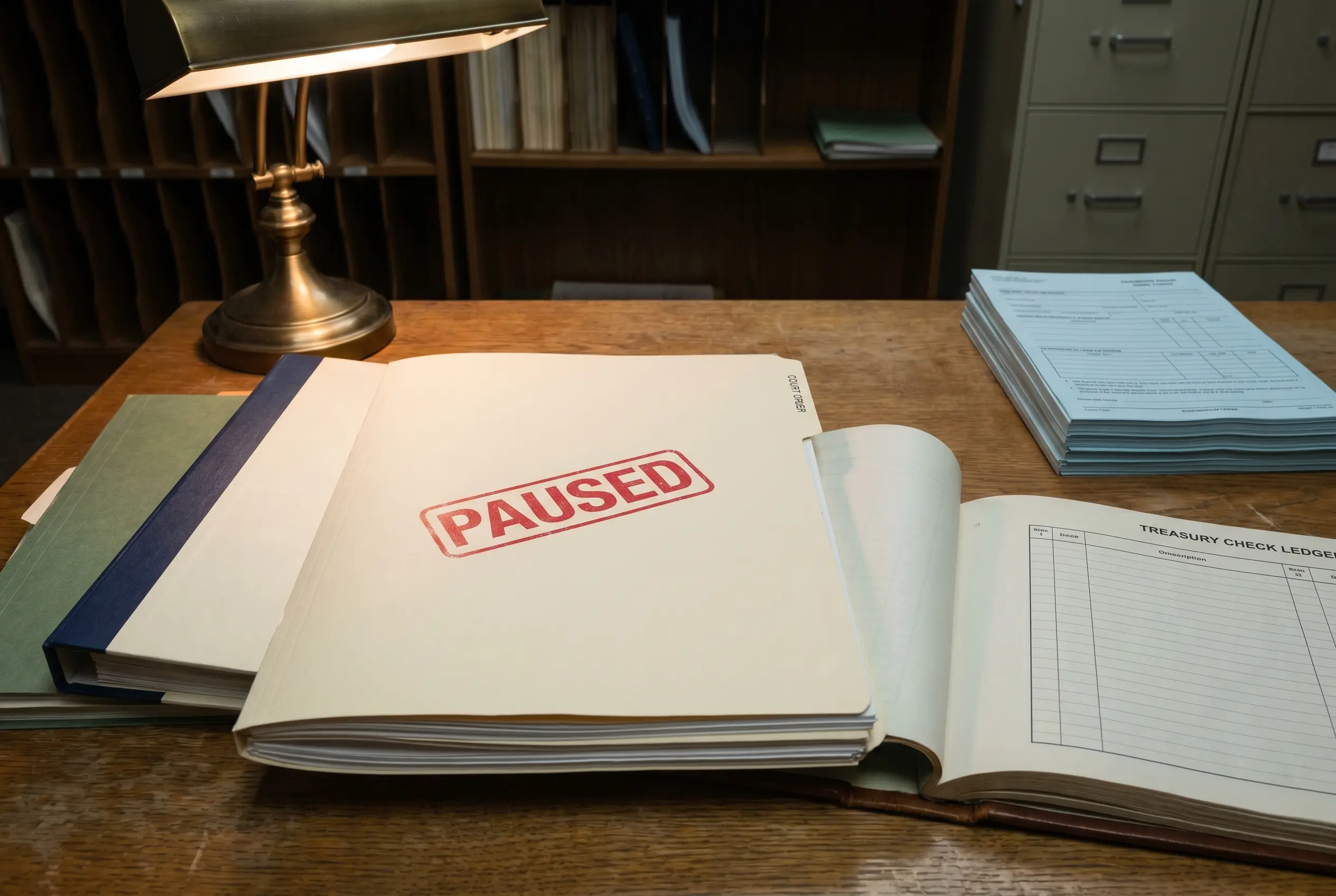
The Trump compensation fund is frozen before any payout because a federal judge in Virginia barred the Justice Department and Treasury from transferring money, considering claims or issuing awards. The May 29 order pauses a $1.776 billion program built from President Donald Trump’s settlement of an IRS lawsuit until a June 12 hearing.
The stake reaches past a two-week pause. The case asks whether the federal Judgment Fund, a Treasury-administered permanent appropriation normally used to pay judgments and settlements against the government, can be routed into a politically defined claims board chosen by officials who report to the president.
The Freeze Hit the Money Pipe, Not Just the Payouts
U.S. District Judge Leonie M. Brinkema did not rule on the merits of the challenge. Her May 29 court order enjoined defendants from taking any further action tied to creating or operating the Anti-Weaponization Fund. That covered three steps: transferring money, considering claims and disbursing funds.
Brinkema denied the plaintiffs’ request for a compressed briefing schedule and gave the government more time to respond. She still kept the status quo in place. The Justice Department and Treasury must file opposition papers by June 5, the plaintiffs reply by June 10, and the hearing is reset for 10 a.m. on June 12 in Alexandria, Virginia.
- $1.776 billion – the amount DOJ said would move from the Treasury account into the claims pool.
- 3 blocked actions – transfers, claim reviews and payouts.
- 14 days – the time between the freeze and the scheduled hearing.
The order landed before the commission could become a functioning payment machine. The practical effect is blunt: no public dollar enters the claims system unless the court lifts the pause or a higher court intervenes.
The IRS Settlement Built a Claims Board With Presidential Reach
The Department of Justice (DOJ, the federal law-enforcement department) announced the fund on May 18 as part of the DOJ Anti-Weaponization Fund announcement. The underlying suit was brought by Trump, Donald Trump Jr. and Eric Trump, the president’s adult sons, and the Trump Organization against the Internal Revenue Service (IRS, the federal tax agency) and Treasury after Charles Littlejohn, a former IRS contractor, leaked tax data.
Under the IRS settlement agreement, Trump and his co-plaintiffs receive a formal apology but no damages. In exchange, they dismiss the tax suit and withdraw two pending agency claims tied to the Mar-a-Lago estate search and the Russia investigation. The agreement calls for a five-member board appointed by the attorney general, with one member chosen in consultation with congressional leadership. The president can remove any member without cause.
The machinery of government should never be weaponized against any American
Todd Blanche, acting U.S. attorney general, made that defense in the DOJ release. The harder question is structural: the settlement does not require ordinary court review of each future claimant, and it says the board may decide its own procedures.
Claimants could seek apologies, legal fees, actual damages and compensation for time spent in federal custody. Those factors explain why the program quickly moved from a tax privacy dispute into January 6, 2021, Capitol riot politics, clinic protest politics and election-security politics.
Why the Treasury Account Became the Fault Line
The public money trail matters because DOJ did not ask Congress for a fresh appropriation. It leaned on the Judgment Fund. Treasury’s Judgment Fund guidance says the account pays final money judgments and compromise settlements related to actual or imminent litigation, and only when no other legally available agency funds can pay.
Treasury’s FAQ adds more guardrails: awards or settlements must be final and monetary, payment must be authorized under 31 U.S.C. 1304(a)(3), and only authorized federal officials can submit payment requests. That is why plaintiffs are attacking the fund’s design, not just its politics.
| Feature | Standard Judgment Fund Payment | Trump Claims Program | Keepseagle Comparison |
|---|---|---|---|
| Trigger | Final judgment or actual or imminent litigation | IRS settlement plus future claims by nonparties | Native American farmers class action after years of litigation |
| Claimants | Named payee or settlement party | People asserting lawfare or weaponization | Class members in a court-approved process |
| Decision maker | Agency request reviewed through Treasury process | Five-member board chosen through the attorney general | Claims administrator under court supervision |
| Public visibility | Treasury reporting rules apply | Quarterly reports go to the attorney general | Class settlement filings remained before a court |
DOJ points to Keepseagle as precedent because it also used a non-judicial claims process and Treasury money. The comparison cuts both ways: Keepseagle involved a long-running discrimination case with court approval, while the Virginia challengers say this claims pool reaches people who were neither parties to the IRS case nor holders of imminent claims.
The Plaintiffs Turned Eligibility Into the Core Injury
Andrew Floyd, a former federal prosecutor who worked on Capitol riot cases, is the lead named plaintiff in the Virginia suit. He is joined by Jonathan Caravello, a California State University Channel Islands professor, the City of New Haven, a Connecticut municipality, the National Abortion Federation, an abortion-provider association, and Common Cause, a government watchdog group. In the Floyd v. DOJ complaint, they allege the fund rewards one side of the administration’s weaponization narrative while excluding people who claim harm from current federal action.
Their theory is simple enough for nonlawyers: eligibility is the injury. If the government creates a compensation door for people who say Democratic officials targeted them, while shutting out people who say Republican officials did the same, the plaintiffs argue the program becomes viewpoint discrimination backed by taxpayer money. The complaint also points to a plain money question: normal payments from the Treasury account carry public reporting obligations; the IRS settlement gives the board confidential quarterly reports to the attorney general, with any broader release left to redactions and discretion.
- First Amendment claim: the complaint says access to public benefits depends on viewpoint.
- Equal protection claim: similarly situated alleged victims are treated differently.
- Separation of powers claim: plaintiffs say Congress never authorized a standalone claims board.
- Administrative Procedure Act (APA, federal law governing agency action) claim: the lawsuit says DOJ and Treasury acted arbitrarily and skipped required procedure.
Potential Claimants Made the Abstract Fight Concrete
The lawsuit moved faster because the claimant pool was never theoretical. The complaint cites Trump allies and January 6 defendants discussing applications within days of DOJ’s announcement, including former Trump administration official Michael Caputo and Proud Boys leader Enrique Tarrio. DOJ says no partisan requirement controls filing, but the settlement language ties eligibility to alleged lawfare by Democrat officials and employees.
For the National Abortion Federation, the fear is direct. The settlement lists alleged abuse of the Freedom of Access to Clinic Entrances Act (FACE Act, federal law protecting access to reproductive health clinics and houses of worship) as an example of weaponization. The federation says that could reward people convicted of clinic blockades and raise security costs for its more than 400 provider members.
Common Cause says confidential payouts would frustrate its spending-watchdog work. New Haven argues it has faced retaliatory litigation and funding threats over sanctuary policies. Caravello says his acquittal in an immigration-protest prosecution shows the program’s ideological asymmetry.
Supporters have a cleaner story. DOJ says Trump, his sons and his company cannot take cash from the pool, no partisan requirement controls filing, unused money returns to the federal government, and the board can be audited. The court now has to decide whether those assurances cure a structure that plaintiffs say starts from a one-sided definition.
The June Hearing Sets the First Payout Clock
The first deadline now belongs to the government. Brinkema ordered DOJ and Treasury to file opposition by close of business on June 5, followed by the plaintiffs’ reply on June 10. The hearing is set for 10 a.m. on June 12 in Alexandria.
A narrow ruling could keep money frozen while the case moves into a preliminary injunction fight. A broader ruling could force DOJ to dismantle the board or return any transferred money. If the judge lets the pause expire, applications and political pressure could resume before the underlying statutory questions are fully tested.
That timing is why the freeze matters. Once awards go out, the case shifts from whether the government may create the fund to whether courts can claw back payments already made to politically favored claimants.

-
 TECH1 year ago
Where Garmin Watches are Made and How They are Assembled
-

 AUTO2 months ago
Tesla’s Roadster Is ‘a Few Weeks Away,’ Says Its Chief Designer
-
 NEWS10 years ago
Samsung Releases Galaxy Note7 TV Ad as Reddit AMA Leaks Specs
-
 NEWS10 years ago
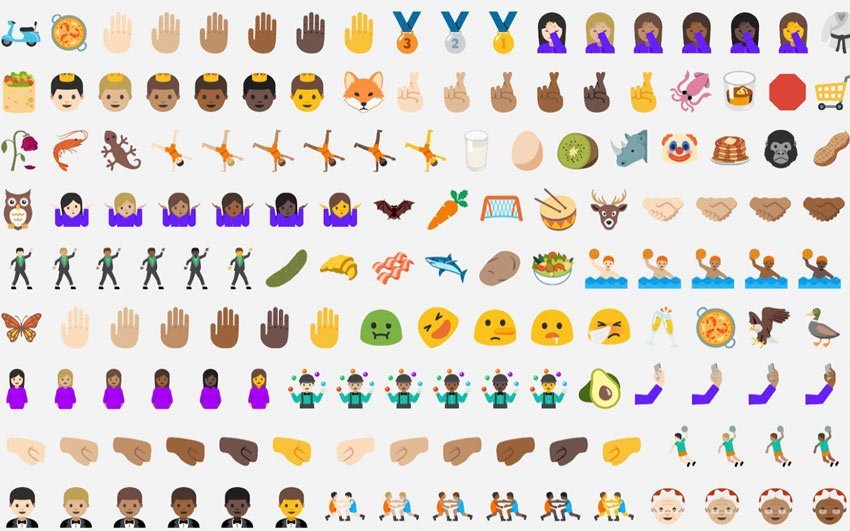
Android 7.0 Nougat Rolls Out To Nexus Devices With New Emoji, Features
-
 FINANCE9 years ago
Cardano Price Surges as ADA Enters the Crypto Top Ten List
-
 NEWS10 years ago
Pre-Order the First Camera Made for Facebook Live Streaming Video
-
 FINANCE1 year ago
Binance Suspends Trading and Withdrawals for a System Upgrade
-
 FINANCE9 years ago
RChain Price Jumps Nearly 150% to a New All-Time High of $2.03