
NEWS
June Smartphone Launches Push Mid-Range Phones Upmarket

Upcoming smartphone launches in June 2026 are turning India’s phone calendar into a test of how far premium hardware can move downmarket. Lava, the Indian phone maker, is due first on June 3, while Motorola, the Lenovo-owned phone brand, and Xiaomi, the Chinese phone maker, share the next day; Samsung Electronics, the South Korean phone maker, and Redmi, Xiaomi’s performance sub-brand, remain less certain.
The useful read is the mix, not the headcount: telephoto cameras, silicon-carbon batteries, high-refresh active matrix organic light emitting diode (AMOLED, a high-contrast display type) panels and fifth generation (5G, the current mobile network standard) support are being pushed into phones that want to sit below ultra-flagship prices.
The June Launch Board Has Two Firm Dates
The front of the month has the firmest paper trail. The Lava Bold N2 5G is slated for June 3 through retailer Amazon India’s teaser, while Motorola’s Edge 70 Pro+ product page is already live with final hardware claims. Xiaomi’s India 17T launch page also points buyers to the same first-week window.
- June 3 – Lava opens the week with a budget 5G device where final price matters more than teaser design.
- June 4 – Motorola and Xiaomi put the upper mid-range fight on the same day.
- Two proof levels – Motorola and Xiaomi have brand pages live; Samsung and Redmi sit closer to the leak and certification bucket.
- One buyer problem – specifications are arriving before prices, which makes patience more valuable than pre-launch hype.
That proof gap is the story for shoppers. Confirmed launches can be judged on final price, launch offers and service terms. Rumored phones still need the basic gatekeeping questions: name, launch market, storage variants, charger policy and software support.
Motorola Puts Zoom and Endurance in One Pitch
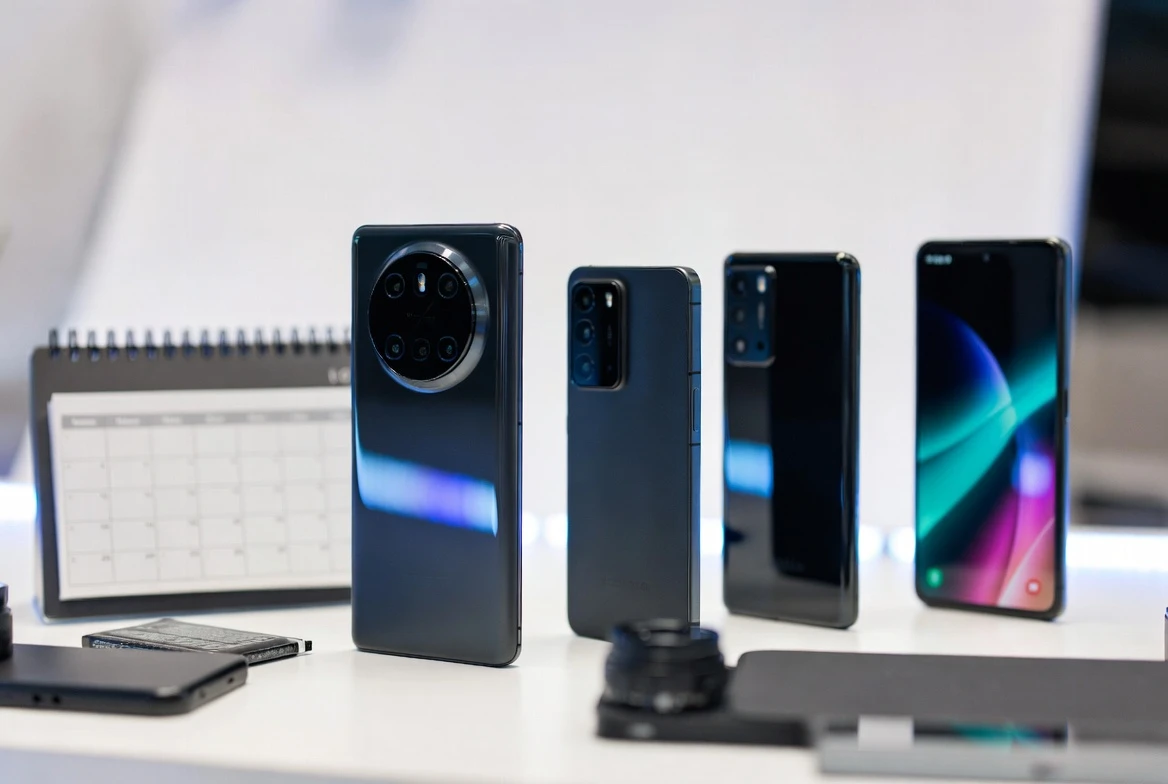
Motorola has made the Edge 70 Pro+ unusually concrete before the price reveal. Its page lists three 50-megapixel rear cameras, including a periscope telephoto camera with 3.5x optical zoom and 50x Super Zoom, plus optical image stabilization (OIS, hardware that reduces blur from hand movement). The phone also lists a 6500mAh (milliampere-hour, a battery capacity measure) silicon-carbon battery, 90W wired charging, 15W wireless charging and a Dimensity 8500 Extreme processor from MediaTek, the Taiwan chip designer.
The positioning is clear enough: Motorola wants the phone compared with camera-first flagships, but bought by people who still care about weight, battery life and charging convenience. It also lists ingress protection (IP, dust and water resistance) ratings of IP68 and IP69, along with up to 3 years of operating system upgrades and up to 5 years of security patches.
Motorola’s risk is price. A full camera stack, wireless charging and a premium finish can win attention, but the Edge range still has to leave enough distance from mainstream flagships. Too close, and the phone becomes a spec-sheet argument. Far enough below them, it becomes one of the few June launches with a simple case: zoom, battery and charging in one slab.
Xiaomi Moves Leica Zoom Into the T Series
Xiaomi is making a different bet with the Xiaomi 17T. Xiaomi’s global 17T specification sheet lists a 6.59-inch 120Hz AMOLED display, a Dimensity 8500-Ultra chip, 12GB memory options, a 6500mAh silicon-carbon battery and 67W HyperCharge. The rear camera setup is the draw: a Leica 23mm main camera, a Leica 115mm periscope telephoto camera and a Leica 15mm ultra-wide camera.
Leica Camera AG, the German camera maker, gives that pitch a sharper edge. Xiaomi and Leica’s 17T Series press release says both models in the series carry a Leica 5x telephoto lens for the first time in Xiaomi’s T line, with up to 120x artificial intelligence (AI, software-aided automation) Ultra Zoom.
The chip choice also matters. MediaTek’s Dimensity 8500 launch note describes an energy-efficient 4-nanometer-class process and eight Cortex-A725 cores running up to 3.4GHz. In plain English, the June phones are leaning on performance parts that used to feel reserved for pricier models, while using bigger batteries to stop thin designs from becoming battery anxiety machines.
Budget Phones Are Losing the Cheap Cushion
Lava has the easiest headline and the hardest job. A low-cost 5G phone still has a large audience, and the Bold N2 5G teaser points to clean software messaging and a simple design. The open questions are the processor, storage speed, update promise and launch price, because those decide whether the phone feels cheap on day one or after six months.
The market backdrop is less forgiving than it was a year ago. IDC’s India smartphone market report said shipments fell 4.1 percent year over year to 31.0 million units in Q1 2026, while average selling price (ASP, the typical price paid per shipped phone) rose 10.4 percent to a record US$302. IDC also said the sub-US$100 segment’s share fell from 18 percent to 8 percent, while the US$100 to US$200 band rose from 39 percent to 45 percent.
That is where Lava’s launch becomes more than a budget listing. If the phone lands at a clean price with enough memory and a usable chip, it can catch buyers pushed out of the lowest tier. If the compromises are too visible, the market has already shown where those shoppers go next: one price band higher.
Samsung and Redmi Stay in the Caution Column
Samsung’s Galaxy A27 and Galaxy M47 should be treated as watchlist phones, not shopping decisions. Certification and benchmark trails have pointed to new mid-range Samsung models, but Samsung Electronics had not announced India launch dates or published India product pages for those two devices as of June 1, 2026.
Redmi is trickier. The Turbo 5 already exists in China, and the India question is timing and naming. If Xiaomi brings it under Redmi branding, the likely pitch is gaming battery. If it chooses another channel or sub-brand, buyers comparing Xiaomi’s camera phone may be looking at the same parent company from a second price angle.
For now, separate the June slate into three buckets:
- Brand-confirmed launches where the price is the missing number.
- Retail-teased launches where the processor and update policy still need daylight.
- Leak-led phones where the name may be right, but the Indian launch date is not bankable.
The Comparison That Matters Before Preorder
Shoppers do not need every rumored handset in one giant list. They need to know which devices are ready to judge and which ones can still change shape before launch.
| Phone | Proof Level | Likely Buyer | Decision Risk |
|---|---|---|---|
| Motorola Edge 70 Pro+ | Official product page live | Wants zoom, wireless charging and a large battery without buying an ultra phone | Final price could decide whether it feels aggressive or expensive |
| Xiaomi 17T | Official India event page and global specs live | Wants Leica-tuned cameras, a 5x telephoto lens and a performance chip | India price and launch offers still decide value |
| Lava Bold N2 5G | Retail teaser with first-week launch timing | Wants budget 5G and cleaner software | Processor, storage and update promise need confirmation |
| Redmi Turbo 5 | Launched in China, India timing unclear | Wants gaming performance and a big battery | Branding, variant mix and launch market may change |
| Samsung Galaxy A27 or M47 | Certification and leak trail only | Wants Samsung service reach and long software support | No official India launch date yet |
The table also shows why June is not a normal spec race. Motorola and Xiaomi are pushing upper mid-range phones toward flagship camera language. Lava is trying to hold the value line. Samsung and Redmi are reminders that certification buzz is still not a sale date.
A Buying Plan for the First Week of June
The safest plan depends on the phone you are replacing. If your battery is failing or the screen is cracked, waiting for confirmed first-week launches makes sense because prices and bank offers should be public soon. If your current phone still works, the smarter play is to let early buyers test camera processing, heating and battery drain before you commit.
- Choose Motorola if zoom, charging options and water resistance matter more than the thinnest body.
- Choose Xiaomi if the 5x Leica telephoto system is the feature you would use every week, not just show once.
- Wait on Lava if the price looks tempting but the chipset and storage details are still thin.
- Wait on Samsung and Redmi until an official India product page or launch invite appears.
June’s launch rush gives buyers leverage, but only if they resist buying from teaser art. If Motorola and Xiaomi price their phones far enough below ultra-flagships, the month becomes a strong window for camera and battery upgrades. If they land too high, the best deal may be the phone that gets discounted after the launch lights go off.

-
 TECH1 year ago
Where Garmin Watches are Made and How They are Assembled
-
 AUTO3 months ago
Tesla’s Roadster Is ‘a Few Weeks Away,’ Says Its Chief Designer
-
 NEWS10 years ago
Samsung Releases Galaxy Note7 TV Ad as Reddit AMA Leaks Specs
-
 NEWS10 years ago
Android 7.0 Nougat Rolls Out To Nexus Devices With New Emoji, Features
-
 FINANCE9 years ago
Cardano Price Surges as ADA Enters the Crypto Top Ten List
-
 NEWS10 years ago
Pre-Order the First Camera Made for Facebook Live Streaming Video
-
 FINANCE1 year ago
Binance Suspends Trading and Withdrawals for a System Upgrade
-
 FINANCE9 years ago
RChain Price Jumps Nearly 150% to a New All-Time High of $2.03