
NEWS
WWDC 2026 New Products Put Siri Ahead of Mac Rumors

WWDC 2026 new products are likely to begin with software, artificial intelligence (AI, model-based features such as writing help and summarization) tools and developer access before any new iPhone. Apple has confirmed a June 8 keynote at 10 a.m. Pacific Daylight Time (PDT), a Platforms State of the Union at 1 p.m. PDT, and a free online conference running through June 12.
The sharper question is whether Apple can make Siri and Apple Intelligence feel like features worth planning upgrades around. Hardware may still appear, but the confirmed program points to platform updates, model access, app tools and device eligibility, which are the things that decide whether an iPhone 15, Mac mini or Mac Studio still feels current this fall.
Apple Has Confirmed the Stage Before the Surprise
Apple’s own pages leave little mystery about timing. The WWDC26 schedule page on Apple Developer says the week is online and free, with the keynote live on Monday, June 8 at 10 a.m. PDT. The same page puts the developer-focused Platforms State of the Union at 1 p.m. PDT.
Apple’s May 18 newsroom update adds the scale: more than 100 video sessions, Group Labs, Apple Developer Forums and more than 1,000 developers, designers and students at Apple Park on the first day. It also says the week will introduce AI advancements, software and developer tools through the May 18 WWDC26 lineup update.
- Five days: WWDC26 runs from June 8 to June 12, with the biggest public stream at the start.
- More than 100 sessions: Developers get new videos on tools, technologies and design after the keynote.
- More than 1,000 attendees: Apple says developers, designers and students will gather at Apple Park for the first-day event.
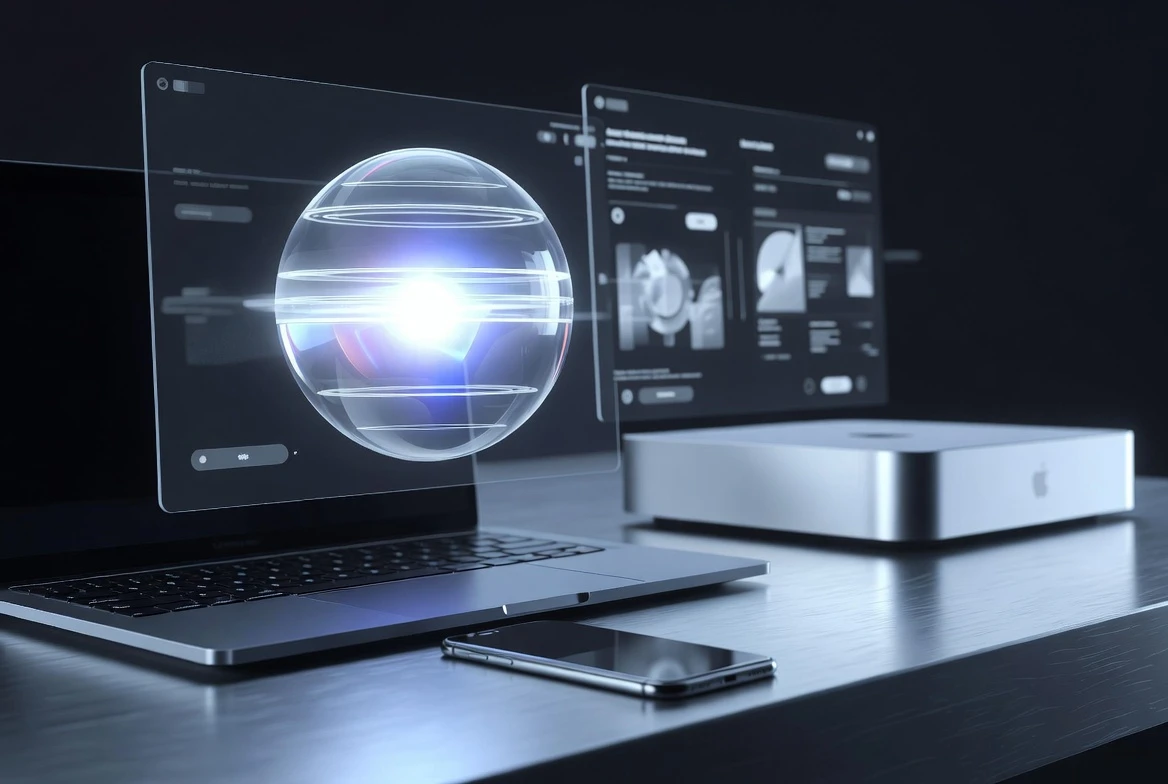
The Product List Starts With Platform Software
The phrase new products can mislead here. Apple sometimes uses its developer conference for hardware, but the event’s standing job is to show the operating systems and tools developers will build against.
Before the keynote, the cleanest way to read the rumors is by confidence level. Apple has confirmed the event and the topic areas. It has not confirmed iOS 27, a new Siri app, an M5 Mac mini, an M5 Ultra Mac Studio or iPhone 18 hardware.
| Category | Status Before the Keynote | Buyer Signal |
|---|---|---|
| WWDC schedule | Confirmed by Apple | Watch June 8 for the public software story |
| Platform software | Very likely, but names are not confirmed | Wait for compatibility and beta details |
| Siri and AI | Confirmed as a broad topic, features unannounced | Look for release timing, not just demos |
| Mac desktops | Possible, still unconfirmed | Buy only if today’s Mac meets your needs |
| iPhone 18 hardware | Unlikely for WWDC | Avoid fitted cases until dimensions are final |
Siri Is the Trust Test for This Keynote
The Siri question is sharper because Apple already separates finished features from future ones. The Apple AI device requirements page lists current tools such as Writing Tools, Genmoji, image features, summaries, ChatGPT integration, intelligent actions in Shortcuts and product-knowledge improvements for the assistant. Then it adds the line many buyers will read first: more personal Siri features remain unfinished and will arrive in future software updates.
That line is why the keynote has to do more than show a prettier glow around a voice prompt. A redesigned interface, stronger app actions or personal context would matter only if Apple also tells users which devices get them and roughly when. The keynote can be glossy; the release notes need to be boring and exact.
Developers have another stake. Apple’s machine learning group said its 2025 foundation model research note introduced the Foundation Models framework (software that lets apps use Apple’s on-device language model) and a model with about 3 billion parameters for supported devices. That gives app makers a route to private, offline AI features. It does not settle whether Siri can handle real-world, multi-step requests for ordinary users.
That distinction matters for buyers because the assistant crosses apps, search, messages and home controls. A half-shipped assistant irritates users faster than a delayed Mac chip, because it sits in the daily path of every supported device.
The AI Split Runs Through the Device Base
Apple’s support list makes the keynote a compatibility test. The AI suite requires iPhone 15 Pro models and iPhone 16 models or later, iPad mini with A17 Pro or iPads with M1 and later, Macs with M1 and later, Apple Vision Pro, and supported Apple Watch models when paired with an enabled iPhone nearby.
That creates an awkward split among people who own recent phones. A standard iPhone 15 can still be capable, yet it sits outside the stated AI device list. An iPhone 15 Pro sits on the other side. For many readers, WWDC may answer whether the next update is a free improvement or a sales nudge.
- Keep your current device if it is already on the AI list and the battery still lasts through your day.
- Pause before trading in a standard iPhone 15 or Intel Mac until Apple shows which features are excluded.
- Buy general accessories before fitted accessories, because chargers and stands carry less design risk than cases.
Mac Rumors Carry a Different Risk
Mac watchers have the harder call. The loudest hardware hopes center on M5 Mac mini and M5 Ultra Mac Studio because desktop Macs now double as local AI machines, but Apple has not put those names on the WWDC schedule. The safest reading is narrow: if Mac hardware appears, it is upside; if it does not, macOS and developer tools still move the buying case.
The confirmed Mac clue is not a chip. Apple said Mac mini production will come to the United States for the first time at a new Houston facility later this year, alongside expanded AI server manufacturing. That makes the compact desktop part of a larger manufacturing story rather than proof of a June hardware launch.
Apple is deeply committed to the future of American manufacturing, and we’re proud to significantly expand our footprint in Houston
Tim Cook, Apple’s chief executive, made that statement in the Mac mini Houston manufacturing announcement on February 24. The quote is useful because it anchors the Mac story in production capacity. It does not confirm an M5 model for the keynote.
The Leadership Clock Makes the Demo Less Forgiving
There is one more reason this WWDC carries more weight than a normal platform preview. Apple announced on April 20 that Cook will become executive chairman and John Ternus, senior vice president of Hardware Engineering, will become chief executive on September 1 through the Apple leadership transition announcement.
If Cook takes the usual opening role on June 8, this would be his last WWDC keynote as chief executive. That puts the AI story in a leadership handoff Apple did not face when it first pitched its private, on-device approach.
Ternus is a hardware leader, which makes the software burden more interesting. A new Mac chip would fit his resume. A credible Siri roadmap would give him something harder to inherit: proof that Apple can turn device control, privacy and developer access into daily AI behavior users can feel.
No stagecraft can solve that alone.
Buying Decisions Belong After the Keynote
For most users, the rational move is to let June 8 answer two questions. First, does the next software wave reach the device you already own? Second, does the feature you care about ship soon enough to affect your next purchase?
- If your iPhone is on the supported AI list, wait for beta coverage before upgrading.
- If your Mac is already an M-series model, wait to see whether macOS adds features you need.
- If you are buying for an unreleased iPhone, skip fitted cases until Apple publishes final dimensions.
Accessories are the safer pre-keynote purchase. MagSafe chargers, desk stands, external storage and cable management can improve the setup you already use without betting on an unreleased body shape.
If Apple gives Siri a release window, a compatibility list and useful app actions, the rest of the year gets easier for buyers. If it offers only a polished demo and vague timing, keeping good hardware for another cycle will look smarter than chasing rumors.
Frequently Asked Questions
When Is the WWDC 2026 Keynote?
The WWDC 2026 keynote is scheduled for June 8 at 10 a.m. PDT. Apple also lists the Platforms State of the Union for 1 p.m. PDT on the same day, with the full conference running through June 12.
Will Apple Announce iOS 27 at WWDC 2026?
Apple has not named iOS 27 in its public WWDC schedule. It has confirmed updates for Apple platforms, so an iPhone software preview is highly likely, but the final name and feature list belong to the keynote.
Will Siri Get New AI Features?
Siri is the main feature to watch because Apple says more personal Siri features remain in development. The practical test is whether Apple shows app actions, context awareness, device support and a public release window.
Should iPhone 15 Owners Upgrade Before WWDC?
No, most iPhone 15 owners should wait until after the keynote. Standard iPhone 15 models are not on Apple’s stated AI device list, while iPhone 15 Pro models are, so feature access may matter more than basic software support.
Could a New Mac mini or Mac Studio Appear?
A Mac desktop announcement is possible but unconfirmed. Apple has confirmed Mac mini production in Houston later this year, but it has not confirmed an M5 Mac mini, M5 Ultra chip or new Mac Studio for the June 8 keynote.
What Apple Accessories Are Safe to Buy Now?
General accessories are safer than fitted accessories. MagSafe chargers, desk stands, charging hubs and storage can stay useful across devices, while cases for unreleased iPhones should wait for final dimensions.

-
 TECH1 year ago
Where Garmin Watches are Made and How They are Assembled
-

 AUTO2 months ago
Tesla’s Roadster Is ‘a Few Weeks Away,’ Says Its Chief Designer
-
 NEWS10 years ago
Samsung Releases Galaxy Note7 TV Ad as Reddit AMA Leaks Specs
-
 NEWS10 years ago
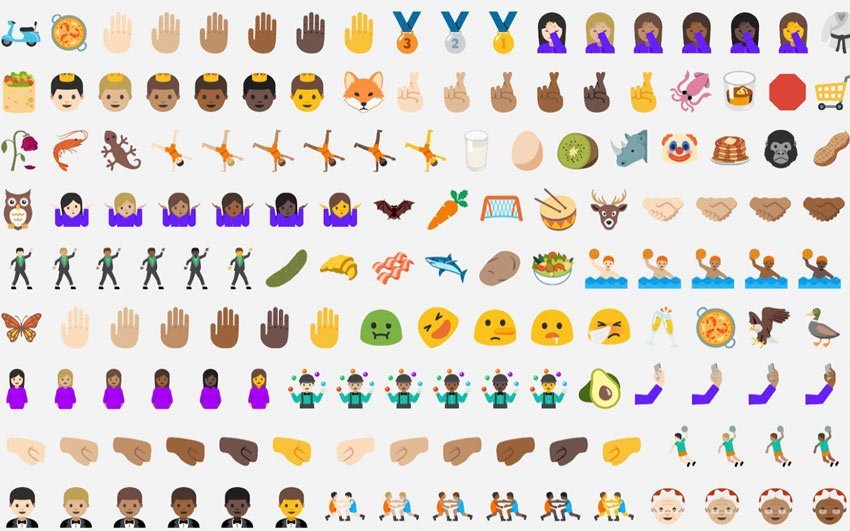
Android 7.0 Nougat Rolls Out To Nexus Devices With New Emoji, Features
-
 FINANCE9 years ago
Cardano Price Surges as ADA Enters the Crypto Top Ten List
-
 NEWS10 years ago
Pre-Order the First Camera Made for Facebook Live Streaming Video
-
 FINANCE1 year ago
Binance Suspends Trading and Withdrawals for a System Upgrade
-
 FINANCE9 years ago
RChain Price Jumps Nearly 150% to a New All-Time High of $2.03