
FINANCE
Argentina Crypto Fraud Bust Exposes the Stablecoin Trap

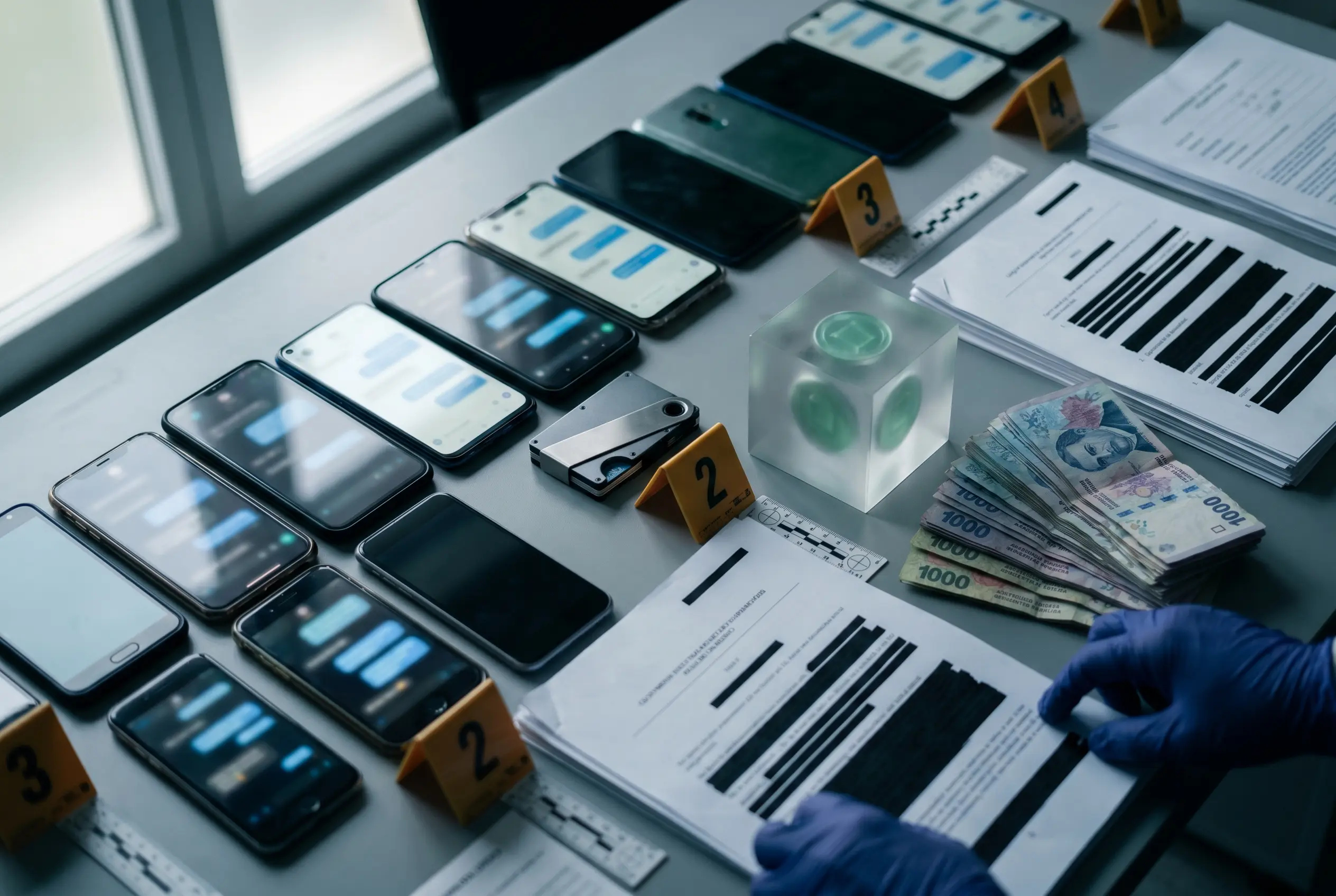
Argentina crypto fraud bust Operation Fake Coins is the Buenos Aires prosecutor’s largest recent stablecoin seizure: 90 raids, 24 arrests, more than 8 million USDT, Tether’s U.S. dollar-pegged stablecoin, nearly 60 million Argentine pesos in cash, and alleged losses near 3 billion Argentine pesos. The first contact came through ordinary chat apps, a better fit for retail Argentina than dark web forums.
Authorities announced the operation on May 27, 2026, a date that matters because some later reports placed the action at the end of the month. The official record points to a broader lesson: Argentina has built a crypto registry, but the softest target remains the person promising guaranteed returns in a private message.
The Seizure That Moved Past Symbolism
The public prosecutor’s office for Buenos Aires province said in the official Operation Fake Coins notice that investigators tied more than 100 reported incidents to similar fraud methods. The case spans fake investment apps, copied corporate designs, WhatsApp account hijacking and alleged illicit crypto flows.
That gives the bust a different shape from a routine raid. Prosecutors did not describe one bad platform with one promoter. They described a repeatable funnel that began with small social contact, moved through false professional polish and ended in stablecoins that could cross borders in minutes.
The headline numbers also show why Argentine prosecutors treated the case as a national cybercrime event:
- 90 simultaneous raids were carried out in several parts of the country.
- 24 people detained were linked by investigators to the suspected fraud networks.
- More than 8 million USDT was seized or frozen, according to prosecutors.
- Nearly 3 billion pesos was the estimated economic harm described in the official notice.
The Fraud Funnel Ran Through Familiar Apps
The mechanics were blunt. Victims saw investment offers that looked institutional, often with logos, copied domains or celebrity images. After the pitch worked, alleged operators asked for repeated transfers tied to supposed trading, crypto deposits or dollar purchases.
Investigators said one branch of the case used WhatsApp and WhatsApp Business activation codes at scale. Another branch pushed victims toward an app available through Google Play Store. A third involved an alleged Chinese-origin organization tied to fake applications and infostealer software, the kind of malware built to harvest user data.
- First contact came through publications, direct messages or hijacked WhatsApp accounts.
- The credibility layer used familiar brands, fake advisers and web designs that copied legitimate firms.
- The payment route sent money through bank accounts, digital wallets and peer-to-peer (P2P, direct user-to-user trading) crypto transactions.
- The exit route allegedly converted some funds into USDT through Binance’s P2P market and sent crypto to users registered in Venezuela through Binance Pay.
Binance, the global crypto exchange, describes its P2P trading model as a marketplace where users trade directly, with ads, payment windows, order limits, ratings and an appeal mechanism. In the Argentine case, prosecutors described the marketplace as part of the money path, not as the origin of the alleged scam.
Stablecoins Changed the Enforcement Math
Cash can disappear into a drawer. Bank transfers can fragment across accounts. USDT leaves a different trail, especially when the issuer can freeze tokens after a lawful request. That is why the USDT trail became the evidence as much as the proceeds.
Tether, the company that issues USDT, said in a separate law enforcement update that it works with more than 340 agencies in 65 countries and has helped freeze more than 4.4 billion dollars in assets. Its stablecoin freeze policy update also makes clear why dollar tokens can be attractive to both fraud networks and police: the same issuer control that lets tokens move quickly can stop them when investigators identify the wallet.
That tension sits at the center of Argentina’s crypto boom. Chainalysis, the blockchain analytics firm, estimated that Argentina ranked second in Latin America with 93.9 billion dollars in crypto transaction volume between July 2022 and June 2025, and said stablecoins make up a large share of local exchange purchases because of inflation, currency volatility and capital controls. The country’s crypto use case is practical, not theoretical, which makes scam scripts easier to sell.
Argentina’s Crypto Cases Are Scaling Fast
Operation Fake Coins belongs to a short but revealing sequence. In early 2024, federal authorities were still calling a small USDT recovery a milestone. By late 2024, prosecutors had secured a multi-million dollar freeze in RainbowEx. By May 2026, the official number in the latest operation had moved past 8 million USDT.
| Case | Date in Official Notice | Crypto Amount | Core Allegation | Enforcement Signal |
|---|---|---|---|---|
| Crypto Bros | Jan. 16, 2024 | 1,699 USDT | Malware, bank phishing and crypto-dollar transfers | first Gendarmeria crypto seizure notice |
| RainbowEx THEMIS | Dec. 19, 2024 | About 3.5 million USDT | Ponzi-style crypto platform promising unusually high daily gains | direct Tether freeze in RainbowEx |
| Operation Fake Coins | May 27, 2026 | More than 8 million USDT | Fake investment apps, WhatsApp hijacks and illicit crypto flows | Largest recent seizure described by the Buenos Aires prosecutor’s crypto team |
The growth matters because enforcement capacity often lags adoption. The same investigators who learned how to freeze wallets in RainbowEx could apply that muscle to a broader network this time. Fraud groups also learned. They spread the pitch across apps, advisers, fake platforms and cross-border accounts instead of relying on a single obvious brand.
The CNV Registry Caught Platforms, Not Persuasion
Argentina’s Comisión Nacional de Valores (CNV, the securities regulator) created the Proveedores de Servicios de Activos Virtuales registry (PSAV, the local label for virtual asset service providers) in March 2024. The official CNV virtual asset provider registry announcement said providers targeting Argentine residents must submit required information to operate in the market.
That was a serious step. It gave the state a list, a legal hook and a way to tell registered crypto businesses from fly-by-night operators. It also left a registration gap: the most persuasive person in the fraud may be a supposed adviser on WhatsApp, not the platform that appears at the end of the payment chain.
The CNV warned investors in December 2025 that new virtual scams were spreading through social networks and messaging apps, including Telegram and WhatsApp, under the appearance of high-return investment opportunities. Its public warning on virtual investment scams told users to verify whether a platform is registered, look for reliable information and avoid transfers to unverified contacts.
There is a second check that gets less attention. The CNV also maintains a public register of people approved to advise investors through authorized agents. Its registered investment adviser search says idoneidad is required for people who sell, promote or advise the investing public. A stranger offering guaranteed returns in a chat should pass that test before receiving a peso.
The Investor Test Is Simpler Than the Scam
The practical lesson is harsh because it is boring. Any investment pitch that arrives through a private message, promises fast or safe gains, asks for repeated transfers, or sends the user into a P2P exchange to buy USDT for an unknown wallet should be treated as a fraud alert.
None of those steps proves a crime by itself. Together, they form the pattern prosecutors described: social contact, borrowed credibility, pressure to keep sending money, a crypto conversion and a foreign exit route. That pattern is easier to spot than the wallet trail, and it appears before the money leaves.
For retail users, three checks belong before the first transfer:
- Search the platform on the CNV’s public PSAV records and investor alert pages.
- Search the adviser’s name in the CNV idoneos register and confirm the authorized agent behind that person.
- Refuse any request to buy stablecoins through P2P and send them to a wallet controlled by someone you met through a message.
For regulators and exchanges, the test is less about public warnings and more about friction at the exact conversion point. If fraud money repeatedly enters bank accounts, digital wallets, P2P ads and dollar tokens, the weak link is no longer awareness. It is the handoff between Argentine pesos and stablecoin liquidity.
If prosecutors can return frozen funds to victims, Operation Fake Coins becomes a recovery case. If the money remains trapped in legal process, the bust still sends a warning, but the victims will read the number differently.
Disclaimer: This article is for informational purposes only and is not financial, investment or legal advice. Crypto assets, stablecoins and P2P transactions carry fraud, custody, liquidity and regulatory risks. Readers should verify providers through official registers and consult a qualified financial or legal professional before acting. Figures are accurate as of publication based on official notices and cited sources.

-
 TECH1 year ago
Where Garmin Watches are Made and How They are Assembled
-

 AUTO2 months ago
Tesla’s Roadster Is ‘a Few Weeks Away,’ Says Its Chief Designer
-
 NEWS10 years ago
Samsung Releases Galaxy Note7 TV Ad as Reddit AMA Leaks Specs
-
 NEWS10 years ago
Android 7.0 Nougat Rolls Out To Nexus Devices With New Emoji, Features
-
 FINANCE9 years ago
Cardano Price Surges as ADA Enters the Crypto Top Ten List
-
 NEWS10 years ago
Pre-Order the First Camera Made for Facebook Live Streaming Video
-
 FINANCE1 year ago
Binance Suspends Trading and Withdrawals for a System Upgrade
-
 FINANCE9 years ago
RChain Price Jumps Nearly 150% to a New All-Time High of $2.03