
GAMING
PS Portal Cloud Streaming Fixes Pragmata’s Launch Gap

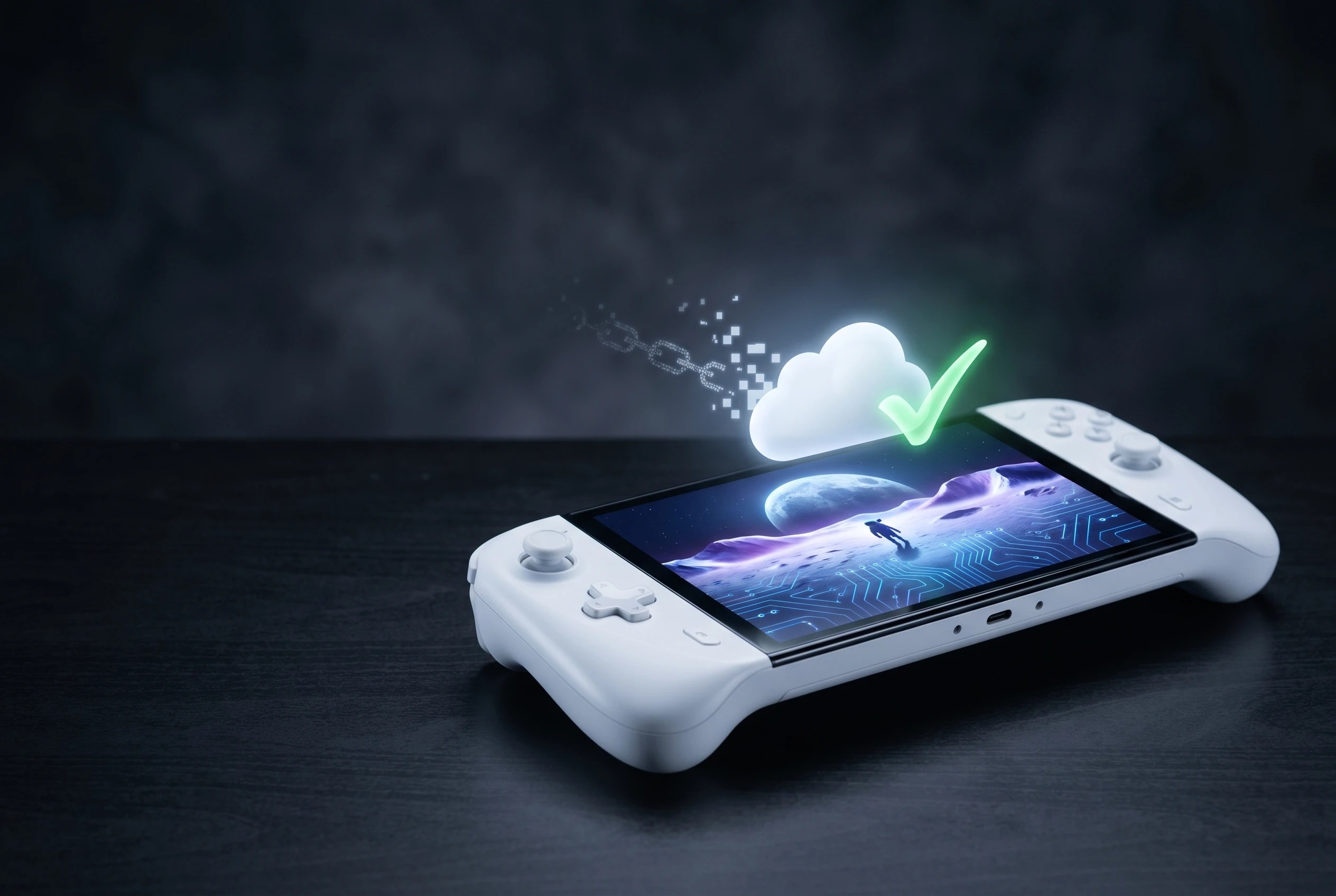
PS Portal cloud streaming now supports Pragmata, meaning PlayStation Plus Premium subscribers who own the sci-fi PlayStation 5 (PS5, Sony’s home console) release from Capcom, the Japanese game publisher, can stream it directly on Sony’s handheld without waking a console. The change fixes a launch-week gap, but it leaves the larger rule intact: Portal independence still depends on Premium, region support and title-level approval.
The gap was small by calendar time and large by trust terms. Sony Interactive Entertainment, PlayStation’s operator, sold the Portal as a Remote Play device, with Remote Play meaning Sony’s local PS5-to-handheld streaming mode, then turned cloud streaming into the feature that lets it survive without a home console for the sessions that matter.
Pragmata Gives the Portal a Narrow Win
The current Pragmata PlayStation Store page lists PS5 game streaming support with a Premium subscription. That Store marker matters more than a patch note because it is the practical permission slip a Portal owner needs before the Stream button appears.
Capcom’s game reached PlayStation 5 on April 17 after a late schedule move that brought the launch forward by one week, according to the Capcom Spotlight recap on PlayStation Blog. It casts players as Hugh Williams and Diana, an android companion, on a lunar research facility where shooting and hacking are paired rather than split into separate modes.
For Sony, the fix is useful and unglamorous. A hot new release that misses handheld cloud support at launch creates a worse impression than an old catalog title being absent, because buyers learn the catch only after they have paid for the game, the hardware and the top subscription tier.
- Nov. 15, 2023: the Portal launched in select markets as Sony’s dedicated PS5 Remote Play device.
- $199.99: Sony’s United States launch price for the handheld.
- Nov. 5, 2025: the date Sony began the full Portal cloud streaming rollout in the United States.
The Handheld Still Has Two Doors
Portal owners now face a split that is easy to miss in marketing. Remote Play mirrors a console you already control; cloud streaming runs a game from Sony’s servers and frees the console for someone else, or lets it stay powered off.
That split decides who the update helps. A player with a digital entitlement, a Premium membership, an adult account and a supported country can skip the console path. A player missing any one of those pieces falls back to the old home-console route, assuming a PS5 is available.
| Mode | Game Source | Console Needed | Subscription Gate |
|---|---|---|---|
| Remote Play | Games installed on a paired PS5 | Yes, the paired console does the work | No PlayStation Plus membership required for the mode itself |
| Portal Cloud Streaming | Select PS5 games from Your Library, Game Catalog or Classics Catalog | No, the session runs from Sony’s cloud servers | PlayStation Plus Premium required, adult accounts only |
| PS5 Console Cloud Streaming | Select store games and catalog games streamed to the console | Yes, but no local download is needed | PlayStation Plus Premium required for the streaming feature |
Sony’s Portal cloud streaming support page puts hard numbers under the feature: 5 megabits per second (Mbps, a measure of network speed) to establish a session, 7 Mbps for 720p and 13 Mbps for 1080p. The same page says PS3 and PS4 games are not available through Portal cloud streaming, which keeps the feature tied to PS5 software for now.
Sony Trades Hardware Freedom for Catalog Control
The most important line in Sony’s November rollout concerned ownership becoming less useful unless the cloud list also agrees.
PlayStation Plus Premium members can now stream select digital PS5 games from their own library.
Takuro Fushimi, senior manager for product management at Sony Interactive Entertainment, wrote that in PlayStation’s full cloud streaming launch note. The load-bearing word is select. It gives Sony the room to manage licensing, server load and quality checks, while giving customers a much fuzzier promise than broad access to every digital game.
That trade is normal in cloud gaming, but it feels sharper on a $199.99 dedicated screen. A phone or tablet can move to another service when a game is missing. A Portal has one main job, so a missing cloud title looks like a failure of the whole device even when the network and hardware are fine.
The Premium Wall Changes the Complaint
The update does not mean every buyer gets the same result. Sony’s cloud pages say the feature requires an active Premium plan, an adult account and a supported country or region. It also varies by game, country and over time, language that gives the company a clean answer when a launch does not land on day one.
For players, the practical map is blunt:
- Best case: you own the eligible digital PS5 version, have Premium and see the title under Cloud Streaming or Search on the handheld.
- Middle case: you own the game but lack Premium, so the console path remains the useful one.
- Hard stop: a child account, unsupported region, disc-only ownership or ineligible title keeps direct cloud play out of reach.
Premium also turns an availability gripe into a value question. If the top tier is a requirement for streaming owned games, each missing new release makes the subscription feel less complete even if the game arrives a few days later.
That makes the delay feel harsher than a normal catalog gap. The subscriber’s request is narrower: use a paid cloud feature with a game already bought in the PlayStation Store.
Capcom’s Sci-Fi Game Raises the Stakes
This would be a quieter story if the release were a back-catalog experiment. Instead, Sony had to fix cloud support around one of Capcom’s most visible new intellectual property bets, with intellectual property (IP, a new game universe rather than a sequel) carrying extra weight in a release calendar thick with sequels, remakes and service updates.
Capcom’s support FAQ for the sci-fi release shows the kind of platform-specific tuning that can complicate streaming support. On PlayStation 5, the FAQ lists 2160p resolution, ray tracing support, meaning simulated lighting for reflections and shadows, motion sensors, adaptive triggers and haptic feedback; it also says crossplay and cross-saves, which would let players play or move progress across platforms, are not supported.
Those details leave the exact reason for the launch miss unanswered, while showing why cloud readiness can involve more than a clerical toggle. A cloud version has to preserve save behavior, entitlement checks, controller features and performance expectations on a device that cannot run the game locally.
That is the hidden cost of making the Portal more capable after launch. Each added capability raises the standard for the next release, and the user rarely sees the queue of approvals behind a single button.
The Tuesday Fix Leaves a Friday Problem
The timing is the part Sony should worry about. Big games arrive when marketing peaks, reviews land and group chats fill up. A direct-streaming delay of even a few days puts the handheld out of sync with the social moment that makes a new release feel urgent.
The fix also shows why the Portal has become more interesting than its original pitch. Sony’s original PlayStation Portal launch post described a device built around an 8-inch liquid crystal display (LCD, a flat-panel screen), DualSense features and Wi-Fi access to a paired PS5. The cloud rollout turned that accessory into something closer to a thin client, a device that depends on remote servers for the heavy work.
That shift gives Sony a second chance at handheld PlayStation without building a full portable console. It also creates a cleaner point of failure. If a marquee game streams on time, the Portal feels more independent; if the Stream button lags, the old criticism returns fast.
The company does not need every release to be streamable on day one to keep the feature credible. It needs the exceptions to feel rare, predictable and clearly labeled before checkout, because the customer buying a digital game for handheld cloud play is making a different decision from the customer installing it on a console.
If Sony turns same-day cloud eligibility into the norm for Premium subscribers, the Portal’s smallest April fix will look like part of a larger handheld strategy. If the list keeps trailing major launches, every Friday release will carry a question that no Tuesday update can fully erase.

-
 TECH1 year ago
Where Garmin Watches are Made and How They are Assembled
-

 AUTO2 months ago
Tesla’s Roadster Is ‘a Few Weeks Away,’ Says Its Chief Designer
-
 NEWS10 years ago
Samsung Releases Galaxy Note7 TV Ad as Reddit AMA Leaks Specs
-
 NEWS10 years ago
Android 7.0 Nougat Rolls Out To Nexus Devices With New Emoji, Features
-
 FINANCE9 years ago
Cardano Price Surges as ADA Enters the Crypto Top Ten List
-
 NEWS10 years ago
Pre-Order the First Camera Made for Facebook Live Streaming Video
-
 FINANCE1 year ago
Binance Suspends Trading and Withdrawals for a System Upgrade
-
 FINANCE9 years ago
RChain Price Jumps Nearly 150% to a New All-Time High of $2.03