
NEWS
OnePlus 16 Leak Turns Flagship Specs Into a Battery War

The OnePlus 16 leak points to a 185 hertz display, a 9,000 milliampere hour battery and a 200 megapixel periscope telephoto camera, but the safer read is direction rather than certainty. If the claims hold, OnePlus, the Android phone maker, would push gaming phone hardware logic into a mainstream Android flagship.
The hard part is the gap between a lab target and a phone someone can buy. A 185Hz panel only matters when software feeds enough frames, a giant cell only matters if heat and weight stay sane, and a 200MP zoom sensor only matters if processing keeps pace.
The Rumor Stack Points to a New Spec Ladder
Treat the current rumor stack as a direction finder. Smart Pikachu, a Chinese phone tipster, is tied to the high refresh display and periscope claims, while Yogesh Brar, an India based mobile tipster, has pushed the 50MP main camera counterclaim. Neither gives buyers a retail spec sheet, and OnePlus has not published official details as of June 1, 2026.
For quick reading, Hz means hertz, the number of screen refreshes each second; mAh means milliampere hour, a battery capacity measure; MP means megapixel, the sensor resolution label that often feeds smaller final images after processing. On paper, three numbers are doing the selling.
The most useful baseline is the OnePlus 15 official specifications, which list a 165Hz gaming ceiling, a 7,300 mAh equivalent dual cell battery and a 50MP periscope telephoto camera. That makes the new claims look less random and more like a direct escalation of the current formula.
| Phone Or Claim | Display Ceiling | Battery Figure | Zoom Camera Position |
|---|---|---|---|
| Rumored next OnePlus flagship | 185Hz, unconfirmed | 9,000 mAh, unconfirmed | 200MP 3x periscope, unconfirmed |
| OnePlus 15 | 165Hz in gaming | 7,300 mAh equivalent | 50MP 3.5x periscope |
| Samsung Galaxy S26 Ultra | 120Hz adaptive | 5,000 mAh | 50MP 5x telephoto plus 10MP 3x telephoto |
| Apple iPhone 17 Pro Max | 120Hz ProMotion | Apple lists up to 39 hours video playback | 48MP 4x Fusion Telephoto |
Read the table as a pressure map, not a buying guide. The rumored device would not just edge past its predecessor; it would pull a mainstream OnePlus flagship toward the numbers normally used to sell gaming phones and China first endurance devices.
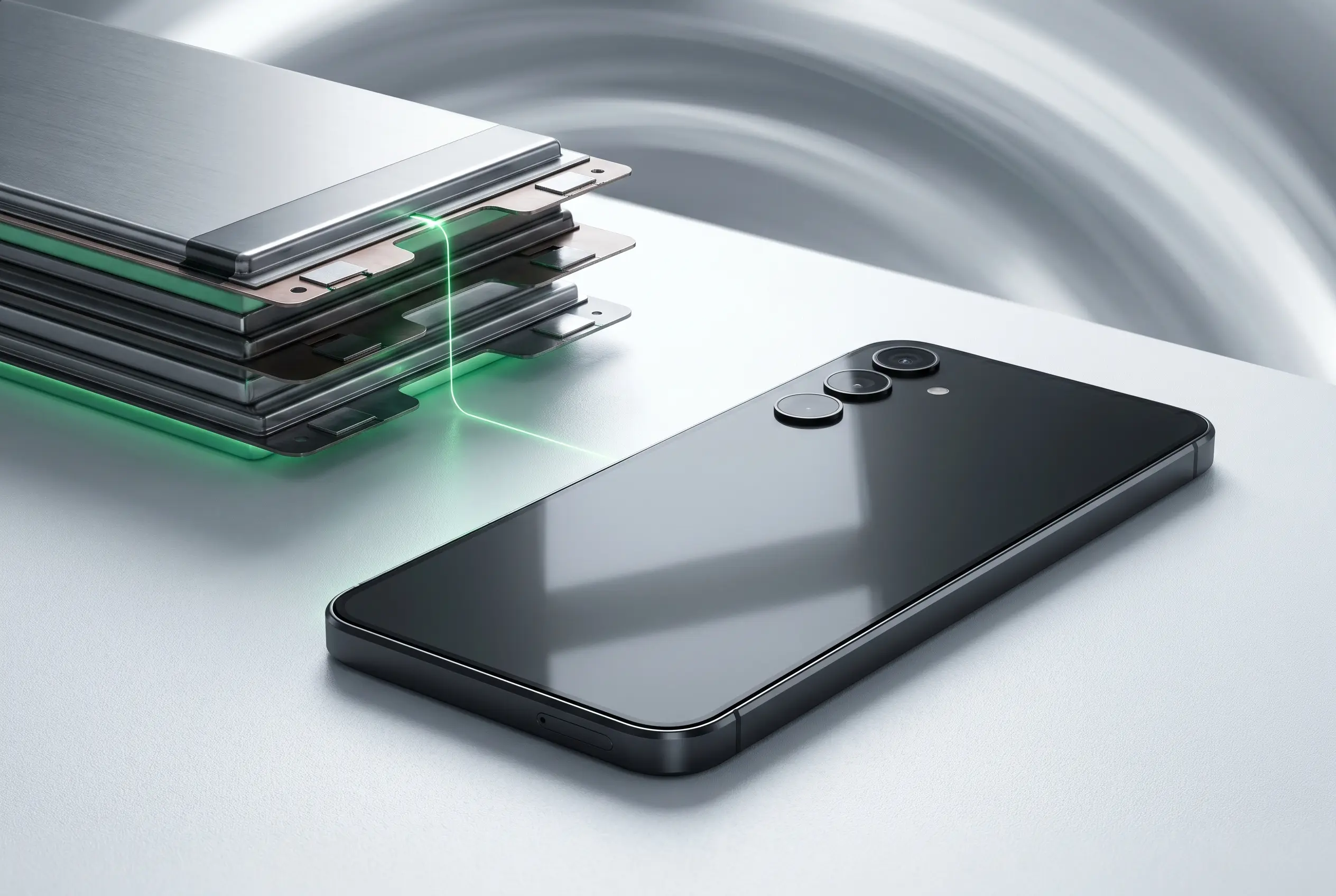
The Display Claim Comes With a Software Catch
A move from 165Hz to 185Hz sounds modest compared with the earlier 240Hz chatter, but it would still put OnePlus above the refresh rates that define most global premium phones. The marketing value is clear: smoother scrolling, faster touch feel and a cleaner gaming pitch for buyers who already know 120Hz as the normal flagship ceiling.
The catch sits below the spec line. The OnePlus 15 already shows how this works, with ordinary adaptive operation and a higher gaming ceiling. That means the top number depends on game support, operating system scheduling, thermal headroom and display driver behavior. A panel can refresh at a rate an app never uses.
There is also a resolution trade. Organic light emitting diode (OLED, the display type used by most premium phones) panels can chase speed, brightness, pixel density and efficiency, but pushing all four at once strains power and heat budgets. If OnePlus keeps a 1.5K class panel, the company would be making the same kind of choice it made with its current flagship: motion first, pixel count second.
Battery Capacity Becomes the Sharpest Weapon
The battery claim is the most important part of the leak because it fits a real Chinese market trend. Counterpoint Research’s China battery capacity analysis said average smartphone battery capacity in China rose 11 percent from a year earlier in May 2025, helped by wider use of silicon carbon cells and domestic models with larger packs.
That context matters more than the single leaked number. A bigger cell gives OnePlus a simple promise at a time when screens, cameras, modems and on device artificial intelligence (AI, software that runs tasks such as assistants and image tools on the phone) all compete for power. It also forces harder industrial design choices around weight, thickness, cooling and charging behavior.
- 7,300 mAh is the official equivalent capacity of the OnePlus 15 dual cell battery.
- 35 percent of China smartphone sales in May 2025 came from models with 6,000 mAh or larger batteries, according to Counterpoint.
- About 23 percent is the implied jump from the OnePlus 15 capacity to the rumored next flagship capacity.
The Camera Bet Moves From Main Sensor to Zoom
The camera rumor is more nuanced than the battery claim. Brar’s version keeps the main camera at 50MP and puts the biggest resolution jump on the periscope telephoto. That would be a sensible direction if OnePlus wants to close the gap in long range detail without rebuilding the entire rear camera system around a headline main sensor.
Samsung Semiconductor, the component arm of Samsung Electronics, already markets the ISOCELL HP5 mobile image sensor as a 200MP sensor with 0.5 micrometer pixels and a pitch for telephoto zoom. That makes the leaked hardware path plausible, even though plausible does not mean confirmed for this phone.
Image quality would still come down to execution. Processing matters more than the sticker when a tiny sensor is collecting light through a folded lens path.
- Sensor size and pixel binning decide how much detail survives in dim scenes.
- Lens aperture and stabilization decide whether longer zoom is usable without blur.
- Color tuning decides whether zoom shots match the main camera.
- Heat control decides whether heavy camera processing stays consistent during video and burst shooting.
Apple and Samsung Are Playing a Slower Game
Apple, the iPhone maker, and Samsung Electronics, the Galaxy maker, have chosen a steadier spec rhythm at the top end. The iPhone 17 Pro Max technical specifications list ProMotion with adaptive refresh up to 120Hz and a 48MP Fusion Telephoto camera, while the Galaxy S26 Ultra specification table lists 120Hz adaptive refresh, a 5,000 mAh battery and a 200MP wide camera paired with separate telephoto modules.
Those choices do not make either phone timid. Apple sells video tools, silicon performance, long software support and a tight retail experience. Samsung sells the S Pen, Galaxy AI, a privacy display on the Ultra model and carrier reach that Chinese brands still struggle to match in the United States.
OnePlus is playing a different hand. Chinese Android vendors such as Xiaomi, OPPO, vivo and Honor have trained buyers in their home market to expect larger batteries, faster charging and more aggressive camera hardware. That gives OnePlus room to push a global model with specs that look excessive beside iPhone and Galaxy sheets.
The risk is that discipline can beat spectacle. A phone with a huge battery, extreme panel and costly camera module still has to feel balanced in a pocket, stay cool in games, pass carrier tests and avoid pricing itself into a fight it cannot win on brand power alone.
The Launch Window Will Test the Whole Package
Market timing is part of the story. IDC’s first quarter 2026 smartphone tracker said global shipments fell 2.9 percent from a year earlier to 293.8 million units as memory constraints and higher component costs pressured brands. A spec heavy OnePlus model would arrive in a market where every extra camera module, memory tier and display upgrade has to earn its bill of materials.
The chip name attached to the rumor also remains unconfirmed, so performance claims belong in the same bucket as the display target. Qualcomm, the mobile processor supplier behind recent OnePlus flagships, may define the ceiling, but OnePlus will define the sustained feel through cooling, software tuning and launch pricing.
If the first retail model ships close to these claims and stays cool, the Android flagship race moves toward endurance and sustained frames; if it arrives heavier, pricier or restricted to a handful of games, the leak will read like an early ceiling test rather than a finished product plan.

-
 TECH1 year ago
Where Garmin Watches are Made and How They are Assembled
-

 AUTO2 months ago
Tesla’s Roadster Is ‘a Few Weeks Away,’ Says Its Chief Designer
-
 NEWS10 years ago
Samsung Releases Galaxy Note7 TV Ad as Reddit AMA Leaks Specs
-
 NEWS10 years ago
Android 7.0 Nougat Rolls Out To Nexus Devices With New Emoji, Features
-
 FINANCE9 years ago
Cardano Price Surges as ADA Enters the Crypto Top Ten List
-
 NEWS10 years ago
Pre-Order the First Camera Made for Facebook Live Streaming Video
-
 FINANCE1 year ago
Binance Suspends Trading and Withdrawals for a System Upgrade
-
 FINANCE9 years ago
RChain Price Jumps Nearly 150% to a New All-Time High of $2.03