
NEWS
Google Hindware Ruling Shifts India Keyword Ad Costs

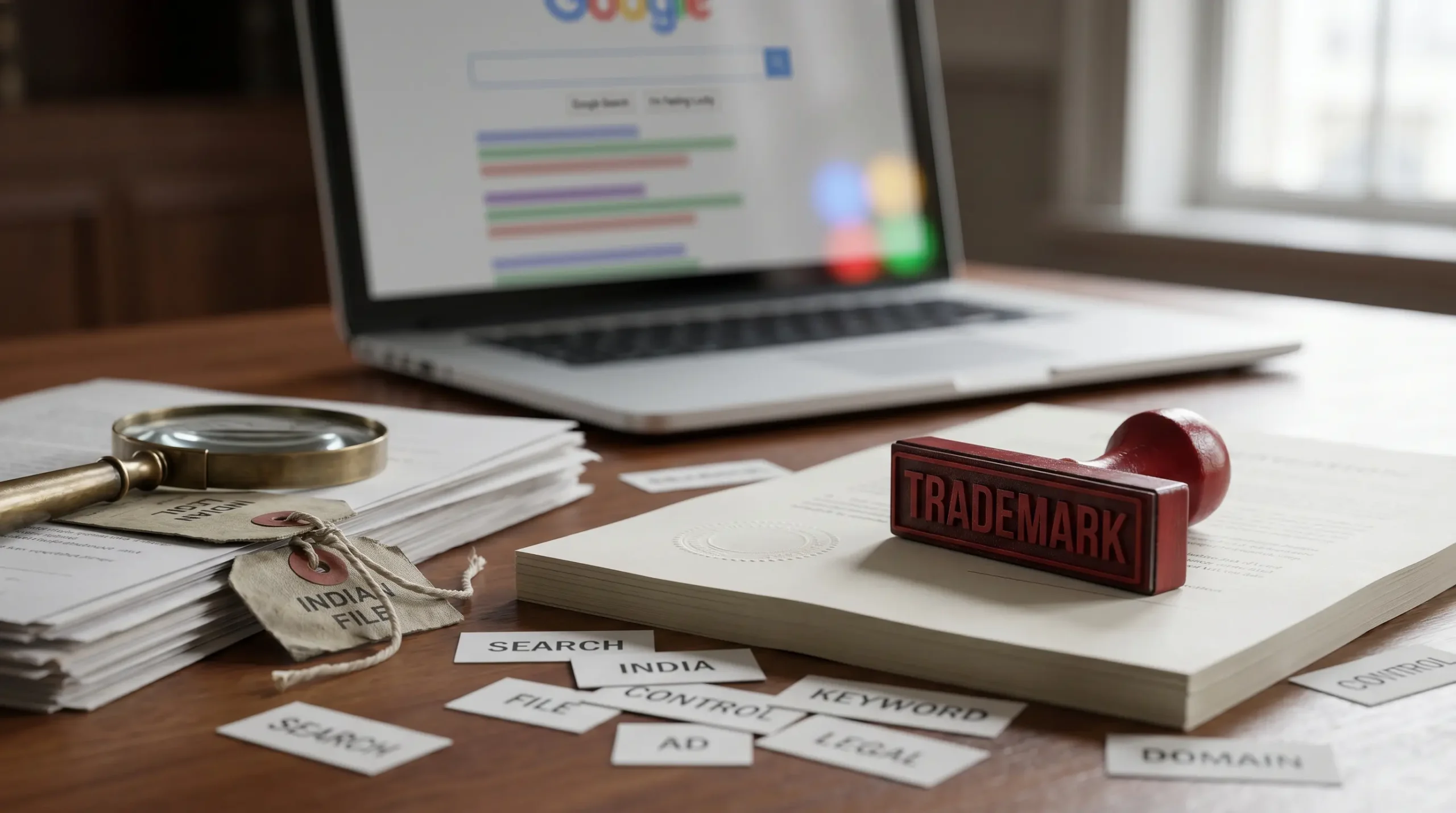
The Google Hindware ruling handed an Indian sanitaryware brand Rs 30 lakh, roughly $31,600, in nominal damages and gave brand owners a sharper weapon against rival search ads. On May 22, the Delhi High Court treated purchase of a registered brand name as an ad keyword as trademark use, putting India’s branded search auctions, complaint workflows and defensive ad budgets back on the table.
For brand owners, the judgment offers a route to challenge paid search that turns their own names into rent. For advertisers, it raises a harder question: when does comparative search marketing cross from competition into infringement?
The Judgment Moves Liability Into the Keyword Layer
Paid search usually keeps the fight on the visible ad. Does the copy mislead? Does the landing page pretend to be someone else? Are consumers confused when they click? Hindware Ltd., an Indian bathroom fittings company, pushed the argument one layer deeper by attacking the hidden term that caused a rival ad to appear.
The cases began years before this week’s industry reaction. The court record covers two commercial suits, one filed in 2013 and one in 2014, involving Google LLC, Alphabet’s search advertising unit, Google India Private Limited, its local subsidiary, and advertisers including Grohe India and Omkara Infoweb. The advertisers settled with Hindware. The search company stayed in the line of fire.
In the Delhi High Court’s Hindware judgment, Justice Mini Pushkarna rejected the idea that invisible keyword use escapes trademark law simply because the user never sees the keyword. The court treated the trigger itself as part of advertising, not merely a neutral matching input.
use of trademark as a keyword… amounts to use of the trademark, even if the trademark is not visible
Justice Mini Pushkarna, Delhi High Court judge, wrote that line in a 163-page judgment pronounced on May 22. That is the hinge. If a keyword can itself be trademark use, then a platform that suggests, auctions and sells the keyword can face liability even when the sponsored result is labeled and the protected word does not appear in the ad copy.
The Platform’s Policy Meets an India-Specific Collision
Google’s public ad rules draw a clean line between keyword use and ad text. Its trademark policy for Google Ads says the company may restrict trademark use in ads after a complaint, including use by direct competitors or confusing ads. The same page says the system will not restrict using trademarks as keywords.
That split makes commercial sense for search advertising. The company’s Google Ads auction rules describe an auction that weighs bids, ad quality, assets, thresholds, context and competitiveness each time a search occurs. Branded terms are valuable because they carry intent. Someone typing a brand name is already close to a decision.
| Issue | Ads Policy Position | Hindware Judgment Position | Practical Effect |
|---|---|---|---|
| Trademark as keyword | Keyword use is generally not restricted by the policy | Keyword use can count as trademark use in advertising | Brand terms become litigation targets, not just campaign settings |
| Visible ad copy | Trademark complaints focus heavily on use in the ad | Visibility is not required for the keyword to matter | Clean ad text may not end the dispute |
| Platform role | The system treats keywords as advertiser inputs | The court found an active role through suggestion, auction and sale | Safe-harbour arguments become harder in similar facts |
| Remedy | Policy review can restrict future ad use | The order grants injunction, damages and actual costs | Complaints may move from support desks to court filings |
The mismatch creates an operational problem: a global help page leaves keyword bidding open, while the Indian order treats some keyword sales as infringing when the facts show unfair advantage. That will matter most in categories where search is high intent and brand names double as purchase commands.
Why Rs 30 Lakh Carries Market Weight
The damages number is small beside the money running through search. Alphabet Inc., Google’s parent company, said in its first-quarter SEC filing that Google Search and other revenue reached $60.4 billion in the quarter ended March 31, while total Google advertising revenue reached $77.3 billion. The same filing said paid clicks rose 13 percent and cost per click (CPC, the amount charged to an advertiser for each ad click) rose 5 percent year over year.
Against that backdrop, the order’s power sits in the injunction and cost logic, not the cheque. The court ordered Rs 15 lakh in each of the two suits, payable jointly and severally by the search company entities within eight weeks. It also awarded actual litigation costs, to be computed after Hindware files its bill.
- 163 pages – the ruling came after a full trial record, not a quick interim fight.
- Rs 30 lakh – nominal damages were awarded because actual loss was not proved in detail.
- Eight weeks – the payment clock applies to Google LLC and Google India jointly and severally.
- $77.3 billion – Alphabet’s quarterly ad revenue shows why small legal changes in search can carry large policy consequences.
Digital ad budgets are still moving toward algorithmic buying. Dentsu, the advertising group, said in its midyear global ad spend forecast that digital represents 69 percent of spend across 56 markets, while search growth is moderating as AI, retail and social search compete for intent. India is part of that shift, and branded search sits at the sharp end because it mixes trademark value with auction demand.
Older Keyword Cases Leave a Narrow Lane
This is not India’s first fight over trademark keywords. The better comparison is the MakeMyTrip litigation, where an appellate bench dealt with Booking.com bidding on the online travel company’s marks. The MakeMyTrip appellate judgment hosted by WIPO Lex said keyword use, without confusion or unfair advantage, does not automatically infringe.
That older reasoning leaves room for competitive advertising. If a consumer searches one travel platform and sees a clearly labeled rival ad, the court was reluctant to grant a brand owner control over the entire search page. The Hindware order travels by a different route. It relies on a trial record, a direct competitor setting, findings about active keyword suggestion and the sale of branded terms, and a rejection of the safe-harbour defence under Section 79(1) of the Information Technology Act.
The result is a narrower but more dangerous lane for platforms and advertisers. Brand bidding may still be defended where ads are clear, landing pages are honest and no unfair advantage is proved. But a plaintiff that can show system prompts, rival bids, diversion evidence and trademark strength now has a judgment to put in front of a judge before settlement talks begin.
Brand Owners Get a Playbook, Not a Blank Cheque
Companies cheering the decision should read the damages section with care. Hindware won on infringement, but the court still found no detailed proof of actual loss from the ad programme. That is why the award stayed nominal. For any brand hoping to claim more than symbolic money, the evidence file will need to be built long before a plaint is drafted.
The practical playbook is already visible from the judgment:
- Registered marks and variants – collect certificates, class details and common misspellings used in search campaigns.
- Search-result records – preserve dated screenshots, device type, location and query strings when rival ads appear.
- Keyword tool evidence – document whether a platform’s tools suggested or forecast demand for the protected term.
- Consumer confusion material – keep complaints, misdirected inquiries and chat logs that show users thought the ad came from the brand owner.
- Loss and cost records – track defensive brand bidding, lost leads and legal spend if a larger damages claim is planned.
Advertisers on the other side should tighten the parts of a campaign a court can see. Rival-brand campaigns need clear ad copy, non-deceptive landing pages and internal notes explaining the comparative purpose of the bid. The riskiest version is the lazy one: buy a competitor’s name, send users to a similar product page, then leave no record showing why the campaign was fair.
Agencies also get pulled into the risk map. A keyword plan that casually includes rival marks may now need legal review in sensitive categories such as finance, travel, healthcare, education, consumer durables and local services. The client may own the brand strategy, but the media buyer often creates the evidence trail.
The Cost Shift Lands Before Any Appeal
The most immediate effect is likely to be behavioral. Brand owners may file more trademark complaints, send sharper cease-and-desist letters and ask agencies to audit competitor bidding. Large advertisers may split branded search into two buckets: their own marks, where defensive spend continues, and rival marks, where legal review becomes part of campaign approval.
The platform response is harder to predict. A broad India-only block on trademark keywords would reduce legal risk but disturb a large ad product. A narrower route would keep the auction open while adding complaint-based restrictions for direct competitors in categories where infringement has been found. Either path adds cost, and cost is the one language ad systems always understand.
Any appeal would likely test the court’s treatment of invisible keyword use, the platform’s role in suggesting and monetising branded terms, and the refusal to treat the ad business as a passive intermediary. Until then, the order changes negotiating leverage. A brand owner no longer has to argue from annoyance alone; it can point to a decree, an injunction and a damages award.
If the ruling survives, India’s brand-search market becomes more permissioned and more expensive. If it narrows on appeal, the fight returns to proof of confusion and unfair advantage, where every screenshot, bid log and landing page will matter.
Disclaimer: This article is for informational purposes only and is not legal advice. Trademark, advertising and platform-liability disputes involve fact-specific risk, and businesses should consult qualified counsel before changing campaigns or pursuing claims. Figures and procedural details are accurate as of publication on June 1, 2026.

-
 TECH1 year ago
Where Garmin Watches are Made and How They are Assembled
-

 AUTO2 months ago
Tesla’s Roadster Is ‘a Few Weeks Away,’ Says Its Chief Designer
-
 NEWS10 years ago
Samsung Releases Galaxy Note7 TV Ad as Reddit AMA Leaks Specs
-
 NEWS10 years ago
Android 7.0 Nougat Rolls Out To Nexus Devices With New Emoji, Features
-
 FINANCE9 years ago
Cardano Price Surges as ADA Enters the Crypto Top Ten List
-
 NEWS10 years ago
Pre-Order the First Camera Made for Facebook Live Streaming Video
-
 FINANCE1 year ago
Binance Suspends Trading and Withdrawals for a System Upgrade
-
 FINANCE9 years ago
RChain Price Jumps Nearly 150% to a New All-Time High of $2.03