
NEWS
YouTube Picture-in-Picture Goes Free Worldwide, Music Stays Locked

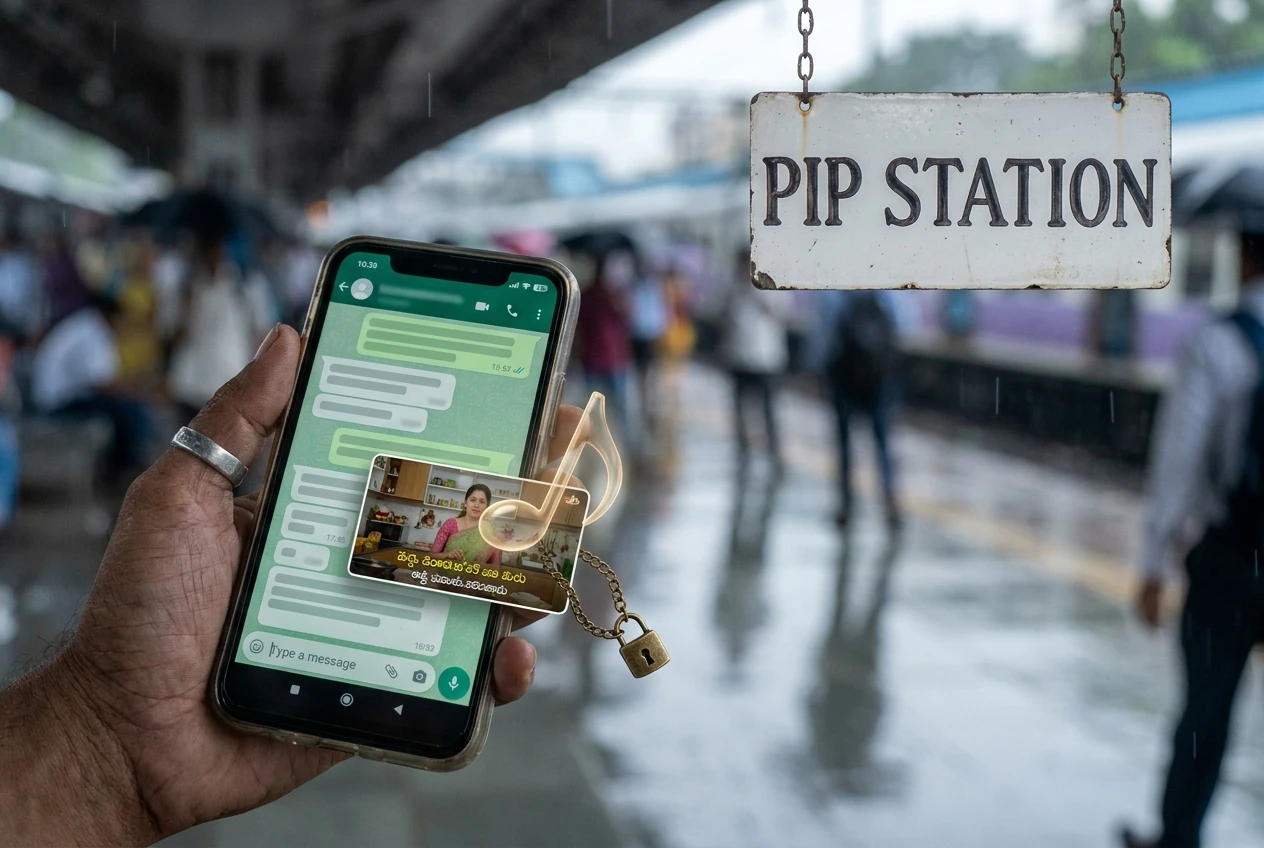
YouTube confirmed on April 29, 2026, that picture-in-picture playback is rolling out free to non-Premium users worldwide on Android and iPhone, ending a paywall that had locked the multitasking feature out of every market except the United States. The catch is sharp: free PiP works only for longform, non-music content. Music videos, Art Tracks and song uploads stay behind the $15.99 monthly Premium subscription.
The change matters because YouTube held this feature back for half a decade despite picture-in-picture being a default OS-level capability on both iOS 15 and modern Android. 9to5Google first surfaced the official YouTube support thread announcing the rollout, which Google says will reach all eligible devices over the coming months rather than as a single global switch.
Who Just Gained Access, and Where
Until this week, free YouTube users outside the United States had no way to keep a video playing while they switched to WhatsApp, Gmail or a browser. They had to either pay for Premium or rely on awkward third-party browser tricks. That barrier is gone. The four user tiers now look very different from each other in one specific way: who can shrink a music video into a floating window.
The breakdown below reflects YouTube’s confirmed pricing and feature mix as of May 2026.
| Tier | Monthly Price (US) | PiP for Non-Music Video | PiP for Music | Background Audio |
|---|---|---|---|---|
| Free | $0 | Yes (new) | No | No |
| Premium Lite | $8.99 | Yes | No | No |
| Premium Individual | $15.99 | Yes | Yes | Yes |
| Premium Family | $26.99 | Yes | Yes | Yes |
The Music Carve-Out Is the Whole Point
Read YouTube’s eligibility rules carefully and the strategy is obvious. Free PiP is a concession on the cheapest possible feature to keep regulators and reviewers off Google’s back. The real moat, music in the background, is untouched.
What YouTube classifies as restricted music content is broader than most users assume:
- Official music videos from labels and artists
- Art Tracks (the auto-generated visual sleeves used by YouTube Music)
- Children’s songs and nursery-rhyme uploads
- User-generated videos that contain song material identified by Content ID
That last bullet is the trap. A vlog with a licensed song in the background can flip from “longform” into “music” the moment Content ID flags the track, killing PiP for that specific upload even if the rest of the video is talking-head footage. PPC Land’s analysis of the policy calls this the “subscription differentiation boundary” YouTube cannot afford to blur.
Spotify charges $11.99 a month in the US for ad-free background audio. YouTube Premium charges $15.99 partly because that same music PiP is bundled inside it. Hand free users music-in-PiP and the Premium pitch collapses overnight.
Switching It On Takes Two Steps on Android, One on iPhone
The feature is enabled by default for most accounts as the rollout reaches them, but anyone who turned it off, or whose Android handset blocks PiP at the system level, has to flip two switches.
On Android:
- Open the phone’s Settings, tap Apps, scroll to YouTube, then go to Advanced and enable Picture-in-picture.
- Inside the YouTube app, tap your profile photo, then Settings, then General, and toggle Picture-in-picture on.
- Start any longform, non-music video and swipe up from the bottom of the screen to send it to a floating window.
On iPhone, only an in-app toggle exists, and the device must run iOS 15 or later. Open YouTube, tap your profile, then Settings, then General, then enable Picture in picture. Swipe up to home and the video shrinks. MacRumors notes that iPhone users globally were the loudest critics of the previous paywall, since Apple’s own PiP API has been free at the OS level since 2021.
India Gets a Feature It Has Been Asking For Since 2021
For Indian users, this is the bigger headline. India is YouTube’s largest single market by viewership, and Premium adoption sits in the low single digits because the entry-level Premium plan costs Rs 149 a month, more than many monthly mobile data packs. Free PiP closes a real usability gap.
Cooking videos, exam prep lectures, cricket match highlights and Tamil and Telugu serials are the categories most often watched while users WhatsApp family or scroll Instagram. None of those required a paid plan to begin with, yet the floating window did. That mismatch was the single most-cited complaint on Google’s Indian play store reviews of the YouTube app over the past two years.
Smartphones running Android 12 and above, which dominate the Indian shipment mix according to Counterpoint, already have OS-level PiP enabled. The block was purely commercial. Removing it costs YouTube nothing in infrastructure and earns the company roughly 600 million Indian users a small daily quality-of-life win.
Regional creators stand to benefit too. A 22-minute Telugu cooking video that previously lost watch time the moment a viewer switched apps can now keep playing as a floating window, holding the impression and the ad slot.
What Premium Lite Subscribers Should Feel Slightly Cheated About
Premium Lite, the $8.99 ad-free tier YouTube launched as a cheaper alternative to full Premium, looks materially weaker today than it did on April 28. Lite subscribers were already excluded from background music, offline downloads and YouTube Music. Their distinguishing perk over the free tier was ad-free playback plus PiP for longform video. The PiP half of that pair just became free for everyone.
“Premium Lite was always a transitional product. The free tier just absorbed half its value, and Google will have to either drop the Lite price or fold it back into full Premium within a year.”
That assessment came from independent media analyst Evan Shapiro on his April 30 LinkedIn post about the rollout. The numbers behind the moat help explain why YouTube is willing to give the cheaper feature away while protecting the music side hard:
- 2 billion+ monthly logged-in YouTube viewers, the population now eligible for free PiP, per Google.
- 125 million YouTube Music and Premium subscribers as of March 2025, the base Google must defend.
- 25 million net new paid subscribers added across Google services in Q1 2026 alone, according to Cord Cutters News reporting on Alphabet’s Q1 disclosure.
- $9.88 billion in YouTube ad revenue in Q1 2026, per The Hollywood Reporter’s earnings recap, the business that free PiP is meant to grow by lifting watch time.
Where It Sits Versus Spotify, Netflix and Prime Video
YouTube is not the first major streaming app to gate PiP and background audio behind a paid tier, but it is the largest, and the comparison shows how conservative the new free policy still is.
| App | Free Tier PiP for Video | Free Tier Background Audio | Notes |
|---|---|---|---|
| YouTube | Yes (non-music) | No | Premium required for music PiP |
| Spotify | Not applicable | Yes, with ads | Background audio is the product |
| Netflix | Yes | Not applicable | No music tier |
| Prime Video | Yes (paid plan) | Not applicable | No music tier in app |
| JioCinema / JioHotstar | Yes | Not applicable | India-specific, free with ads |
Spotify hands every free user background audio because that is literally the service. Netflix and Prime Video have no music product to protect, so PiP is unrestricted. YouTube is the rare hybrid: a video app that also runs the world’s second-largest paid music service, which forces it into the only awkward middle position on the chart.
The three-year competitive backdrop also matters. Digital Music News reported on April 30 that YouTube Music posted its largest quarterly subscriber jump on record in Q1 2026. Google has zero appetite to slow that curve by giving away the music PiP that drives a meaningful share of upgrades.
That tension explains the cautious framing of YouTube’s announcement. The company is happy to claim a goodwill win for free users while keeping the actual conversion lever, music in your pocket with the screen off, fully intact.
Frequently Asked Questions
When will free YouTube Picture-in-Picture reach my phone?
YouTube began the global rollout on April 29, 2026, and says the feature will reach all eligible Android and iOS users “over the coming months.” The company has not given a country-by-country schedule. If your YouTube app is updated through Play Store or App Store and you do not yet see the toggle, the rollout has not reached your account.
Why does YouTube PiP not work on music videos for free users?
Music PiP and background audio are the core selling points of YouTube Premium. Letting free users float a music video would let them turn the YouTube app into a free Spotify replacement. YouTube uses Content ID to identify songs, official music videos, Art Tracks and children’s songs, then blocks PiP for those uploads on the free tier.
Does free PiP also enable background audio when the screen turns off?
No. Background playback with the screen off is a separate Premium feature. Free PiP only keeps the video playing in a small floating window while the YouTube app is in the background. Lock the phone and the video stops.
How do I turn off Picture-in-Picture if I do not want it?
Inside the YouTube app, tap your profile photo, go to Settings, then General, then toggle Picture-in-picture off. On Android you can also disable it at the system level by opening Settings, Apps, YouTube, Advanced, then Picture-in-picture. Pausing a video before exiting the app also prevents the floating window from appearing.
Is YouTube Premium Lite still worth paying for after this change?
For users who only watched non-music longform content, Premium Lite at $8.99 a month now offers ad removal as its main remaining benefit over the free tier. PiP for non-music video, which had been a Lite perk, is now free. Heavy music listeners still need the full $15.99 Premium plan to get PiP and background audio for songs.
For Indian viewers in particular, the change ends a five-year-old grievance about a basic OS-level feature being held hostage to a subscription. The next test for YouTube is whether the goodwill from giving away non-music PiP is enough to offset the slow erosion of Premium Lite, a tier that suddenly looks like a product in search of a reason to exist.

-
 TECH1 year ago
Where Garmin Watches are Made and How They are Assembled
-
 AUTO3 months ago
Tesla’s Roadster Is ‘a Few Weeks Away,’ Says Its Chief Designer
-
 NEWS10 years ago
Samsung Releases Galaxy Note7 TV Ad as Reddit AMA Leaks Specs
-
 NEWS10 years ago
Android 7.0 Nougat Rolls Out To Nexus Devices With New Emoji, Features
-
 FINANCE9 years ago
Cardano Price Surges as ADA Enters the Crypto Top Ten List
-
 NEWS10 years ago
Pre-Order the First Camera Made for Facebook Live Streaming Video
-
 FINANCE1 year ago
Binance Suspends Trading and Withdrawals for a System Upgrade
-
 FINANCE9 years ago
RChain Price Jumps Nearly 150% to a New All-Time High of $2.03