
FINANCE
Oil Heads for Its Biggest Weekly Gain in Months as the Iran War Reignites
Brent crude neared $87 a barrel this week after fresh US strikes on Iran and a reimposed Hormuz blockade, marking oil’s sharpest weekly rally since April.

Brent crude climbed to $85.34 a barrel Friday, up 1.32%. US benchmark West Texas Intermediate rose to $80.08, up 1.43%, putting both benchmarks on track for their biggest weekly gain in three months. The rally followed a fresh wave of US airstrikes on Iran and a reimposed American naval blockade around the Strait of Hormuz.
It is the third time since February that oil has spiked on the same trigger. Each replay has left the market with less of a cushion than the one before it, and reserves that took months to rebuild are draining again.
Brent Closes In on $87 in Its Best Week Since April
Monday brought the sharpest single move. Oil jumped as much as 10%, the biggest one-day rise since 2020 according to Semafor, after President Trump posted on Truth Social that he would reimpose the naval blockade and charge ships a 20% toll to cross the strait.
By Tuesday, Brent had touched $87 a barrel intraday, its highest level since June. Shipping giants and the International Maritime Organization pushed back on the toll idea, and Trump abandoned the plan within two days.
Prices held near one-month highs through Wednesday and Thursday, then added more ground Friday. Reuters put the week’s gain at more than 11%, the strongest weekly performance since April.
| Benchmark | Friday Price | Friday Change | Wednesday Settle |
|---|---|---|---|
| Brent crude | $85.34 | +1.32% | $84.95 |
| WTI crude | $80.08 | +1.43% | $79.60 |
Both benchmarks remain far below their historic ceiling. Brent once traded at its $146.08 a barrel record set in July 2008, a level this year’s war has not come close to testing.
The Strikes Reach Deeper Into Iran Than Before
US Central Command said Thursday its forces struck to “further degrade Iranian military capabilities,” expanding the target list to areas around Tehran and into Semnan province for the first time in this round of fighting. Semnan is home to Iran’s ballistic missile production and its space program.
Iranian state media also reported strikes in Hamedan, Hormozgan, Khuzestan, Lorestan, Markazi, and Sistan and Baluchistan provinces. Iranian officials said the attacks have killed more than 35 people and wounded over 300.
Iran responded before dawn with missile and drone attacks on US allies in the region and warned its military response could widen further.
All the infrastructure in the region will be crushed under the steel blows of the powerful armed forces of the Islamic Republic of Iran.
Col. Ebrahim Zolfaghari, spokesperson for Iran’s Khatam al-Anbiya Central Headquarters, made the threat after Trump repeated his warnings that he could strike Iranian bridges and power plants. Zolfaghari added that Tehran would never allow the United States to interfere in the strait, calling it “Iran’s invincible red line.”
Why Does a Narrow Strait Move Global Oil Prices?
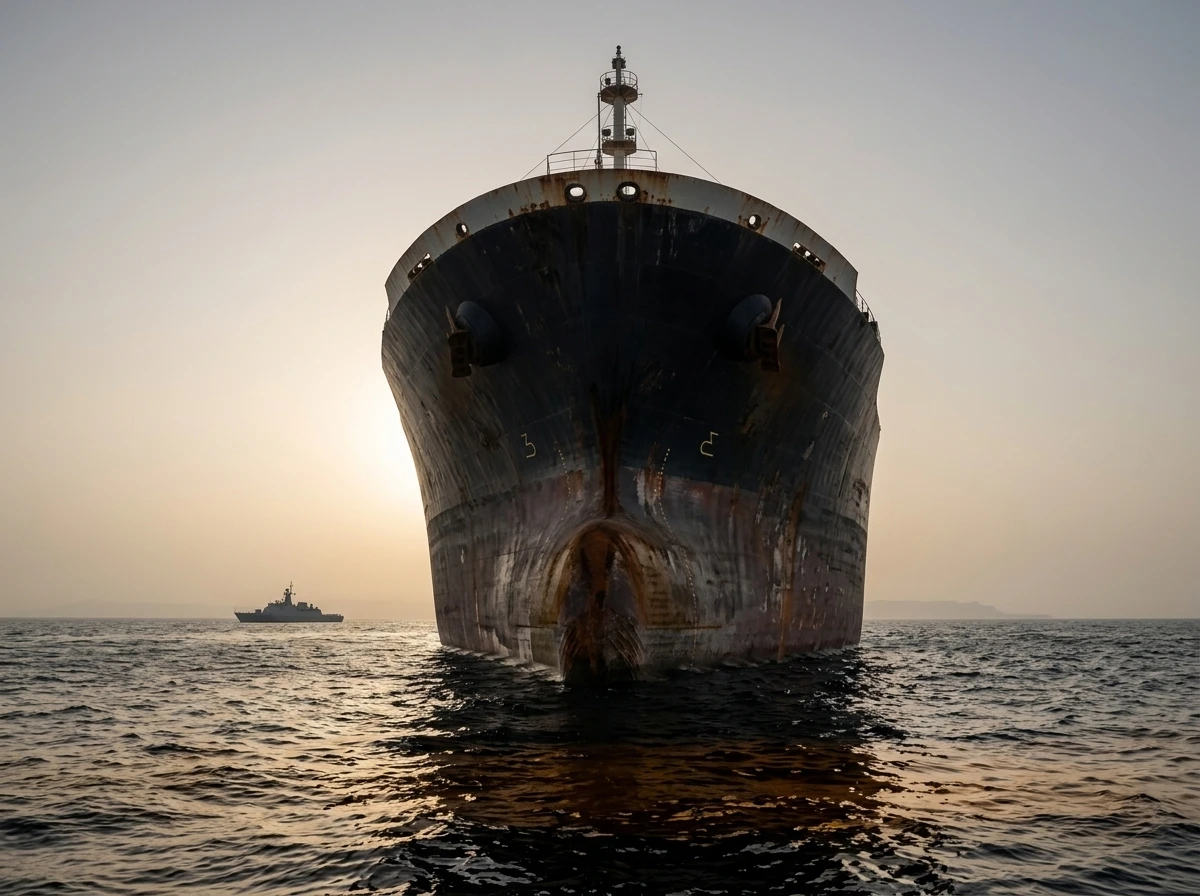
The Strait of Hormuz carries about one-fifth of the world’s oil on its way from the Gulf to Asia and Europe. Roughly 130 tankers a day passed through before the war started in February. That traffic has now collapsed to a handful of ships, and every drop in transits shows up almost immediately in the price of crude.
Shipping trackers counted 57 transits over the July 10 to 12 weekend, a drop of more than half from the previous week. By Wednesday, just seven vessels crossed the strait, down from 13 the day before, Reuters reported.
The US Department of Energy insists the oil itself is still moving. It said 8.5 million barrels passed through the strait on a single Sunday, with military escort, describing the flow as consistent with the recent average. Ship trackers see a thinner picture: fewer hulls, more risk, and insurance costs climbing.
The disruption reached Iraq on Thursday, when a drone strike on a tanker at the Basra terminal forced a suspension of crude loading at the country’s export terminals, Reuters reported. Ship trackers estimated roughly 230 loaded tankers were stranded in the Gulf earlier this week with nowhere to unload.
This Is the Third Time This Chart Has Played Out
Oil traders have watched this movie twice already this year. Here is how the cycle has run so far.
- February 28: The United States and Israel launch joint strikes on Iran, and Tehran effectively shuts the Strait of Hormuz to shipping in response.
- Through April: Brent climbs from about $70 a barrel to above $126 at the peak of the fighting.
- June 17: Washington and Tehran sign a memorandum of understanding to halt operations, reopen the strait and start peace and nuclear talks.
- Late June: Brent slides back toward $70 a barrel, close to where it traded before the war began, as tanker traffic recovers.
- July 8: Iran is blamed for attacks on three commercial vessels in the strait. The US strikes back and the Treasury revokes a sanctions waiver on Iranian oil. Brent jumps to $76.48.
- July 13: Trump announces the naval blockade and a proposed 20% transit toll. Oil jumps as much as 10% in a single day, its sharpest one-day gain since 2020.
- July 14 to 16: Strikes expand toward Tehran and Semnan province, transits through Hormuz collapse, and Brent trades above $85 for the first time in a month.
- July 17: Brent trades at $85.34 and WTI at $80.08, both up on the day as the fighting continues.
Government forecasters were still catching up to the truce when the fighting resumed. Days before the July 8 strikes, the US Energy Information Administration had slashed its third quarter forecast by $27 a barrel to $74, betting the strait would stay open through year end. By then, analysts at ING commodities were already writing that the truce was “starting to look well and truly dead.”
Even at April’s peak, crude stayed under the triple digits many traders had priced in. Our earlier coverage looked at why crude stayed under $100 despite the shutdown, a cushion analysts now say is wearing thin.
The Inflation Bill Waiting Behind the Barrel
Every barrel that gets more expensive eventually lands on the Federal Reserve’s desk. Inflation was already running near 4.2% in May, well above the Fed’s 2% target, before this week’s fighting added a fresh supply shock.
The Federal Open Market Committee, now led by Chairman Kevin Warsh, has to weigh that risk against a growth outlook already clouded by tariffs and trade policy. J.P. Morgan’s own modeling suggests the conflict could depress first half global growth by 0.6% if Brent stays elevated through mid-year. Joseph Lupton, co-head of economic research at the bank, called it a source of “greater macroeconomic risk than recent military conflicts.”
Equity markets have mostly shrugged off the swings, though not everywhere evenly. In India, the benchmark Sensex swung 493 points before closing almost exactly flat this week, as traders weighed the same crosscurrents of oil and geopolitics.
Traders Are Split Between $55 and $100 Oil
Nobody in this market agrees on where the barrel goes next.
- Donald Trump expects prices to fall once the fighting ends. “When that settles down, I think you’re going to have $55 oil, maybe less,” he said in Carlisle, Pennsylvania.
- Saul Kavonic, senior energy analyst at MST Marquee, said the reimposed blockade set the conflict “back on an escalatory trajectory.” He expects oil could retest $100 a barrel if the fighting drags on for weeks, or head higher still if regional infrastructure comes under attack.
- June Goh, senior oil market analyst at Sparta Commodities in Singapore, warned that “a violent repricing up cannot be discounted” unless both sides tone down their rhetoric, noting crude is fast losing its strategic reserve buffer.
Trump has also declined to rule out seizing Kharg Island, the tiny terminal that handles roughly 90% of Iran’s crude exports, telling Fox News it would be foolish to reveal his plans in advance. He has said past strikes deliberately avoided oil facilities because of their importance to the global economy.
The Race to Build a Detour Around Hormuz
The war has also accelerated a slower moving trend: getting oil out of the Gulf without going through Hormuz at all.
- The West-East pipeline in the United Arab Emirates is already under construction.
- The Basra-Haditha Pipeline in Iraq is also underway.
- A Dubai-based port operator is in talks to build a new port that would cut the UAE’s reliance on the strait.
Analysts at Goldman Sachs found that these projects, plus existing pipelines, could insulate more than 45% of pre-war Gulf export levels from Hormuz shocks by the end of 2027, rising past 60% by 2028.
Tehran has also told Yemen’s Houthi forces to be ready to shut the Bab el-Mandeb Strait, the Red Sea route that carries Saudi Arabia’s oil exports, if the United States strikes Iranian power infrastructure.
Frequently Asked Questions
How Wide Is the Strait of Hormuz, and How Much Oil Flows Through It?
The strait narrows to about 34 kilometers, roughly 21 miles, between Iran and Oman. Its two narrow shipping lanes normally carry around 20 million barrels of oil a day, close to a fifth of the world’s seaborne crude trade, along with significant volumes of liquefied natural gas.
Could Oil Prices Really Retest $100 a Barrel?
Analysts are not ruling it out. Nikos Petrakakos, managing director at Tufton Investment Management, said shipping activity had picked up slightly in earlier weeks but added, “we’re nowhere near being back to where it was.” A sustained shutdown or a strike on regional oil infrastructure are the scenarios analysts flag most often as triggers for triple digit crude.
Are Gasoline Prices at the Pump Rising Again Too?
Before this week’s fighting, an average near $3.60 a gallon this half was the US Energy Information Administration’s forecast for the second half of the year, down from more than $4.20 in the second quarter. That forecast predates the latest strikes and blockade, and is likely to be revised if prices hold near current levels.
Is the Federal Reserve Worried About Oil-Driven Inflation?
Goldman Sachs economists estimate that a re-escalation to $100 oil could add 3 to 4 basis points to monthly core inflation, compounding a series of supply shocks the Fed has already had to look past. That is the specific risk now sitting on Chairman Kevin Warsh’s desk.

-
 NEWS10 years ago
Samsung Releases Galaxy Note7 TV Ad as Reddit AMA Leaks Specs
-

 AUTO1 month ago
Tesla’s Roadster Is ‘a Few Weeks Away,’ Says Its Chief Designer
-
 NEWS10 years ago
Android 7.0 Nougat Rolls Out To Nexus Devices With New Emoji, Features
-
 FINANCE9 years ago
Cardano Price Surges as ADA Enters the Crypto Top Ten List
-
 NEWS10 years ago
Pre-Order the First Camera Made for Facebook Live Streaming Video
-
 FINANCE12 months ago
Binance Suspends Trading and Withdrawals for a System Upgrade
-
 FINANCE9 years ago
RChain Price Jumps Nearly 150% to a New All-Time High of $2.03
-
 NEWS10 years ago
Google Play App Icons Get Fresh New Look: See the Latest Design Update