
GAMING
Bus Bound Deluxe Edition Tests Console Sims at Retail

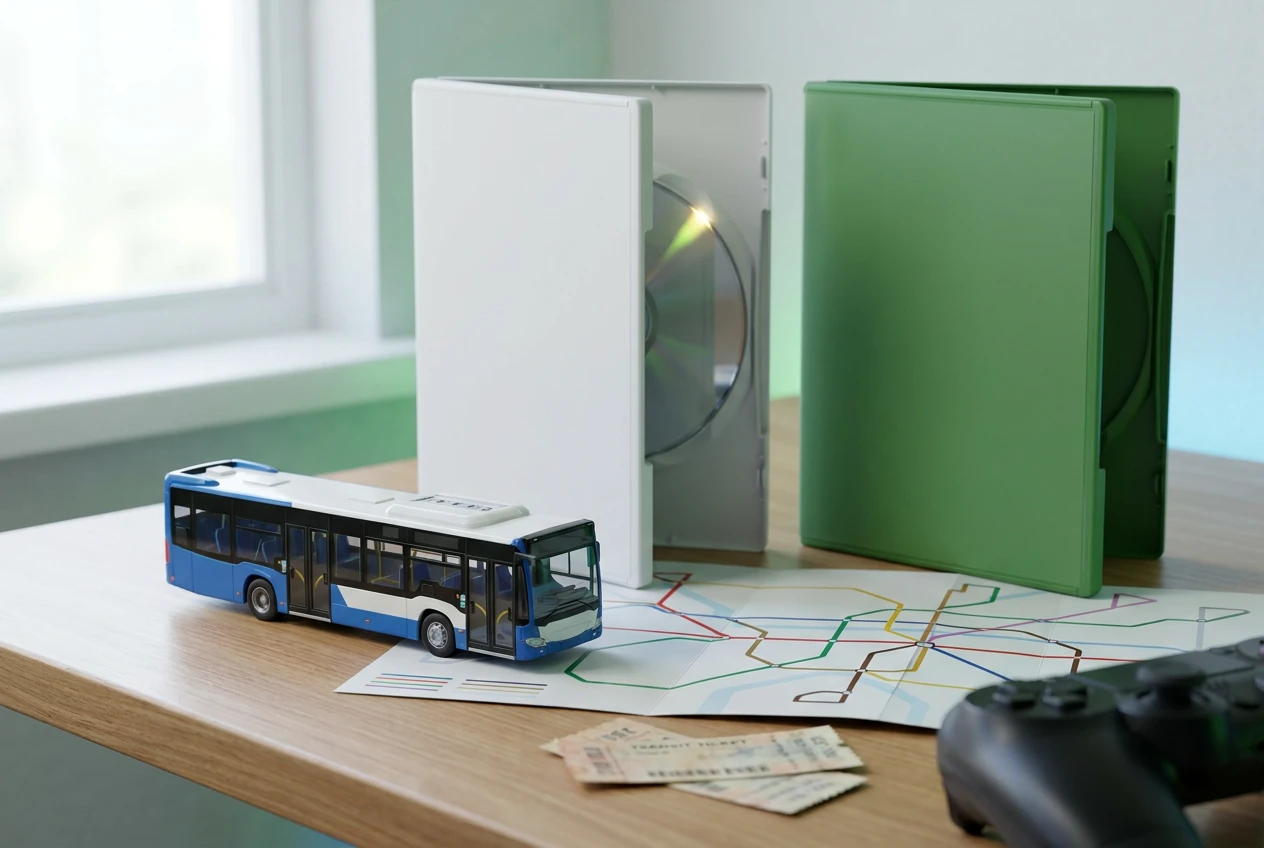
Bus Bound Deluxe Edition is now on shelves for PlayStation 5 and Xbox Series consoles, turning Saber Interactive’s modest transit sim into a physical Deluxe Edition with a retro bus, three retro skins and a season-style pass for the first three planned content expansions. The box matters because this is a niche console simulator selling future support as much as a disc.
Microids, the company handling design and distribution of the physical release, put the edition into retail on May 28, 2026, four weeks after the base game arrived digitally. For console players, the decision is less about whether buses are charming. It is about whether a $10 premium buys enough certainty.
A Boxed Launch With a Season Pass Hook
According to the physical Deluxe Edition notice, Microids says the retail package includes the Horizon Speed 40ft bus, three retro skins and access to the first three planned content expansions. Saber Interactive, the game’s publisher, and stillalive studios, the developer, launched the base game digitally on April 30, 2026.
The timing gives the boxed edition a different job from the usual day-one collector package. Early digital buyers already had a month to judge the handling, traffic and route structure. The physical release now speaks to late buyers, gift buyers and console players who still prefer a shelf copy before committing to downloadable add-ons.
- 17 buses are available at launch, including the New Flyer Xcelsior 40ft compressed natural gas (CNG, a bus fuel type) and Blue Bird Sigma.
- 4 players can share online cooperative routes in the host player’s city.
- 3 expansions are covered by the included pass, with release expected during 2026.
That package makes the disc a promise. The base game offers a relaxed loop of driving, stop upgrades and city improvement. The Deluxe pitch asks buyers to believe there will be enough post-launch material to keep that loop from wearing thin.
What Buyers Get for the Extra Ten Dollars
The price ladder is clean. Steam’s Bus Bound product page lists the standard version at $29.99, the Deluxe version at $39.99 and the stand-alone content pass at $14.99. That makes the premium easy to read for anyone who already plans to stay with the game beyond the first routes.
| Option | Listed Price | Included Content | Best Fit |
|---|---|---|---|
| Standard Edition | $29.99 | Base game | Players who want the driving loop without future content commitment |
| Deluxe Edition | $39.99 | Base game, Horizon Speed 40ft, three retro skins, Bus Pass | Players who want the retail copy and expect to play the expansions |
| Pass Add-On | $14.99 | Access to the first three expansions when released | Digital owners who decide later that the extra content is worth it |
The calculation favors buyers who already know they like slow, repeatable sims. A one-and-done player pays more for content that may arrive after they have moved on. A route optimizer, achievement chaser or co-op group gets a cheaper bundled path than buying the pass separately.
Console Co-op Still Runs Through Paid Services
The box does not remove the online tolls set by each platform. The PlayStation Store listing for the Deluxe Edition says PlayStation Plus (PS Plus, Sony’s paid online subscription) is required for online play and that the game supports up to four online players. The Xbox Store listing for the Deluxe Edition says console online multiplayer requires Xbox Game Pass Essential, Premium or Ultimate.
That matters because the co-op idea is one of the game’s cleaner hooks. One player can manage a route alone, but the marketing pitch is strongest when friends split routes across the host city and build the network faster together.
- Solo drivers can buy the physical copy and avoid the multiplayer subscription question.
- Co-op groups need to check that everyone has the relevant paid online plan.
- Cloud play and remote play remain platform-specific extras, separate from the Deluxe content itself.
For a sim built around calm repetition, those service requirements change the value of the package. The player buying for a family living room may care more about the disc and offline driving. A friend group buying for weekend co-op has to price the game and the online gate together.
It also makes the console version less simple than the shelf art suggests. The case sells buses, routes and a city. The platform rules decide how much of the social loop a buyer can use on day one.
The Bus Sim Split Reaches Console Players
Context helps because stillalive studios comes to this with history. Bus Simulator 21 Next Stop on Steam, published by astragon Entertainment, lists the same developer and a fleet of 30 officially licensed buses. That earlier game leaned harder into management, two maps and a larger vehicle count.
Now the genre has two console-facing tracks. astragon Entertainment, the publisher behind the Bus Simulator series, is preparing the Bus Simulator 27 product page with Simteract, a Polish studio, promising more than 45 licensed buses from 13 manufacturers. Bus Bound goes smaller on fleet size and sells a city-shaping premise instead.
| Game | Developer | Fleet Claim | Design Signal |
|---|---|---|---|
| Bus Bound | stillalive studios | 17 buses at launch | Focused city improvement, goodwill, online co-op |
| Bus Simulator 21 Next Stop | stillalive studios | 30 officially licensed buses | Management options, two large maps, long tail of add-ons |
| Bus Simulator 27 | Simteract | More than 45 licensed buses | Bigger fleet, coach buses, story, career and sandbox modes |
For buyers, that split turns the new physical edition into the shorter, more focused proposition. It does not win the spec sheet on vehicle count. It has to win on feel, convenience and whether Emberville becomes a place worth revisiting.
Microids Makes the Box Part of the Pitch
Microids’ role is narrow but telling. The French company is overseeing design and distribution of the physical edition, while Saber Interactive remains the publisher and stillalive studios remains the developer. That division lets the retail package behave like a second launch rather than a late box for a digital SKU.
Retail still has uses for this kind of game. A niche simulator can be difficult to sell in a crowded console storefront, where bigger brands, discounts and subscription banners take up attention. A boxed Deluxe copy gives the game a clearer identity: bus on the cover, future content inside, console version ready to gift.
The Horizon Speed 40ft also gives the edition a tangible theme. A retro bus and retro skins fit the physical format better than a vague digital currency pack would. They turn the upgrade into a collector-style add-on without pushing the price into premium collector territory.
The limitation is obvious. Retail value is tied to certainty, and the most important parts of this edition are not all playable at purchase. A buyer can drive the base routes now, but the long-term value depends on the size, timing and quality of the expansions.
The Bus Pass Sets the Next Test
The included pass is the load-bearing part of the Deluxe package. Cosmetic extras help the box feel distinct, but the future content is what separates a smart bundle from a tidy upsell. That leaves the publishers with a simple obligation: each expansion has to make the daily route loop feel broader.
- Expansion dates need to arrive while the launch audience is still active.
- New content should add meaningful routes, vehicles or systems, not just surface-level rewards.
- Console patches have to keep steering, stability and online sessions steady enough for co-op groups.
- The physical edition needs clear messaging so buyers know which content is on the disc and which content arrives later.
There is a positive read here. Bus sims do not have to behave like blockbuster live-service games to keep players. They need dependable handling, sensible progression and a reason to run one more route after work. If the first expansion adds a memorable district or vehicle class, the Deluxe bundle starts looking practical.
If the add-ons arrive with substantial routes or buses, the box becomes a tidy entry point into a slow-burn console sim. If they land as light cosmetic drops, the $10 premium will feel like a fare paid before the bus reached the stop.

-
 TECH1 year ago
Where Garmin Watches are Made and How They are Assembled
-

 AUTO2 months ago
Tesla’s Roadster Is ‘a Few Weeks Away,’ Says Its Chief Designer
-
 NEWS10 years ago
Samsung Releases Galaxy Note7 TV Ad as Reddit AMA Leaks Specs
-
 NEWS10 years ago
Android 7.0 Nougat Rolls Out To Nexus Devices With New Emoji, Features
-
 FINANCE9 years ago
Cardano Price Surges as ADA Enters the Crypto Top Ten List
-
 NEWS10 years ago
Pre-Order the First Camera Made for Facebook Live Streaming Video
-
 FINANCE1 year ago
Binance Suspends Trading and Withdrawals for a System Upgrade
-
 FINANCE9 years ago
RChain Price Jumps Nearly 150% to a New All-Time High of $2.03